Living in Lancaster PA: Is a Historic Home the Right Fit?
July 2, 2026
July 2, 2026
Curious what it’s really like to live in one of Lancaster’s historic homes day to day? The charm is easy to see from the sidewalk, but daily life inside these properties often comes down to practical details like layout, comfort, maintenance, and renovation rules. If you are thinking about buying a historic home in Lancaster, this guide will help you understand how these homes function, what to watch for, and how to decide whether the lifestyle is the right fit for you. Let’s dive in.
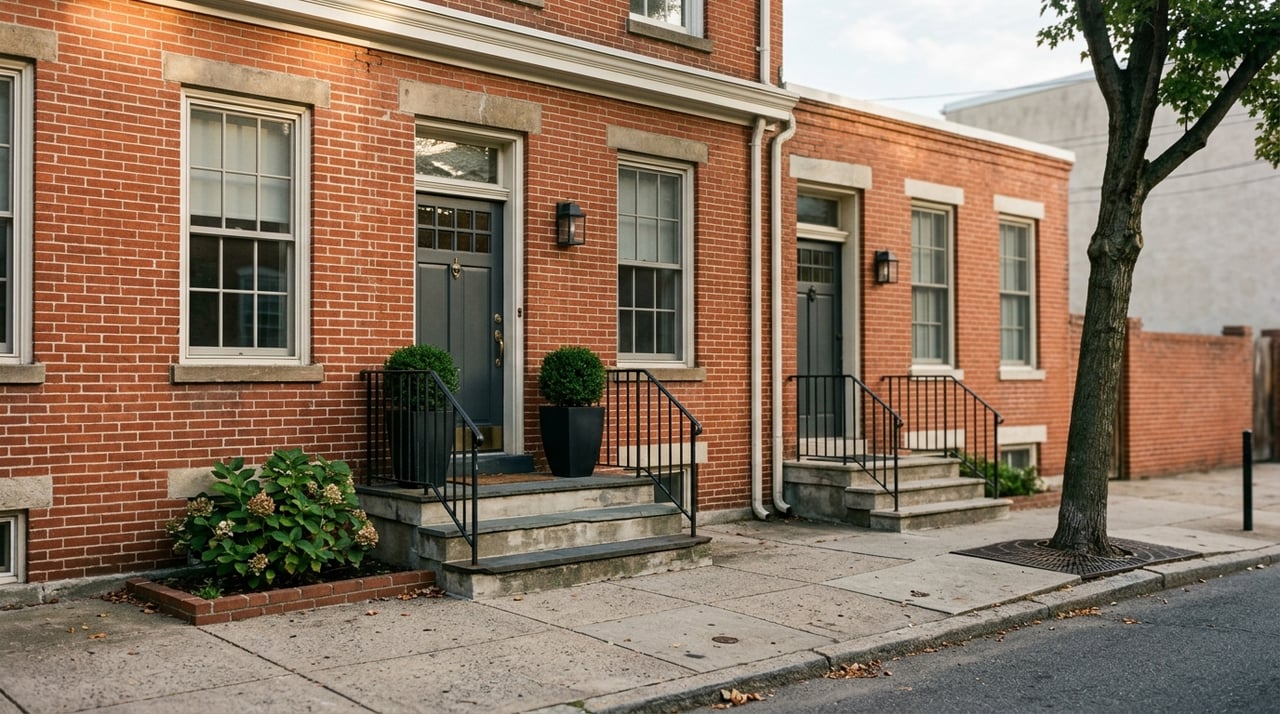
Lancaster’s historic housing stock is dense, layered, and deeply tied to the city’s long development pattern. The city notes that much of its historic fabric dates to the 19th century, and the broader historic landscape includes rowhouses, mansions, former factories, warehouses, churches, and civic buildings.
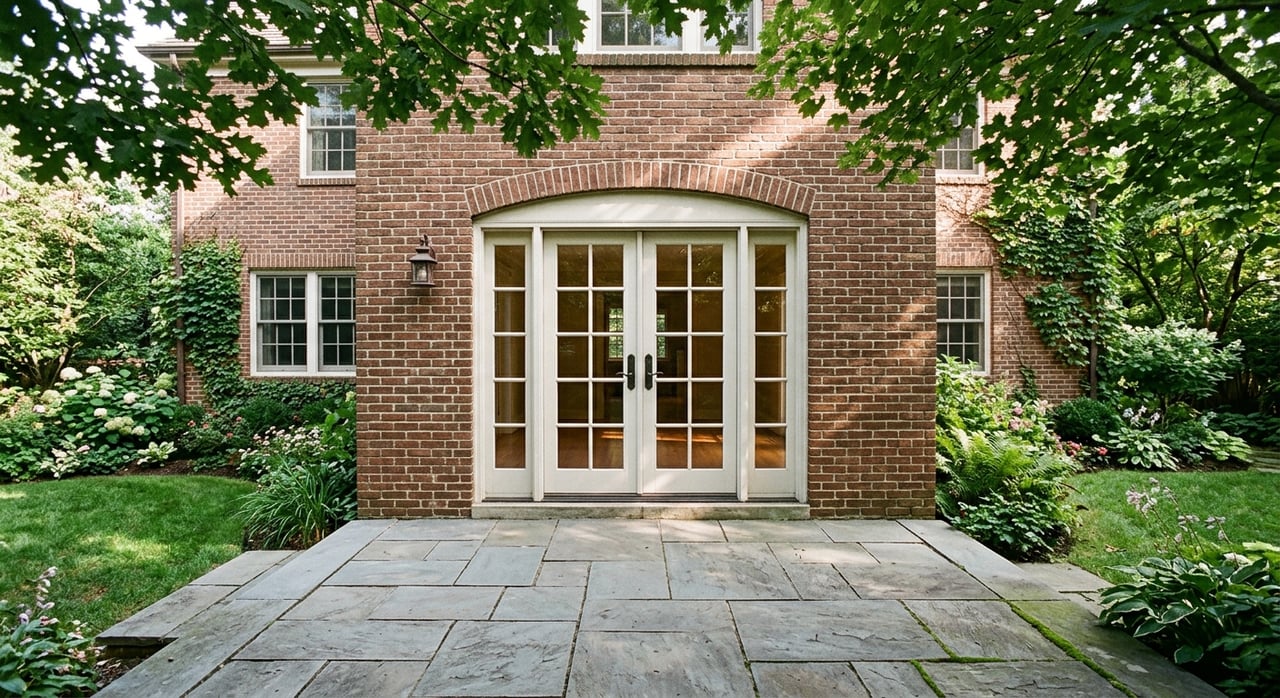
A lot of Lancaster’s historic homes are brick, which has been used in the city since the 1700s. The city also notes that regulations in the 1870s prohibited new wood-frame buildings to reduce fire hazards, which helps explain why brick is such a defining part of the local streetscape.
That history shapes your daily experience as a homeowner. Instead of a one-size-fits-all floor plan, you are often living in a home that has evolved over generations.
Many of Lancaster’s surviving historic houses are modest rowhouses or duplexes built on uniform rectangular lots with alley access at the back. Because of that pattern, day-to-day living often means a narrower footprint, more vertical movement, and rooms that may not follow modern open-concept expectations.
You may find rear wings, added porches, or upper-story changes that happened over time. That can give a home personality and flexibility, but it can also mean the flow feels a little different from newer suburban construction.
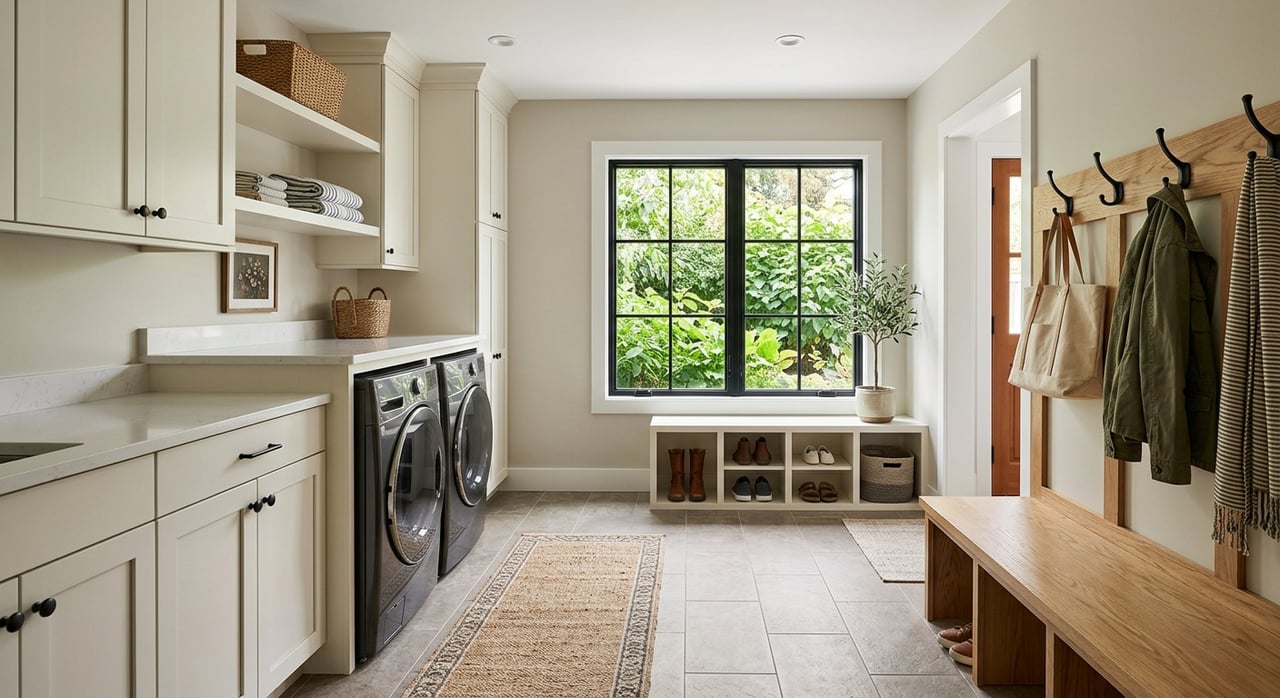
In many historic Lancaster homes, the layout works upward rather than outward. Bedrooms may be tucked on upper floors, laundry may not be on the main level, and storage may be more creative than abundant.
For some buyers, that setup feels cozy and efficient. For others, especially if you want single-level living or a wide open kitchen and living area, it may take some adjustment.
Because Lancaster’s older blocks were built densely, outdoor areas are often more compact than what you might see in newer neighborhoods. Rear yards, alleys, and smaller lots are part of the historic pattern.
That can be a great fit if you want less yard work and more connection to city living. It may be less ideal if your top priority is a large private outdoor space.
One of the biggest day-to-day advantages of Lancaster’s historic homes is durability. The city says brick can last for centuries with proper maintenance, which is one reason these homes remain such an important part of the local housing stock.
That said, durable does not mean maintenance-free. Mortar joints eventually wear out, and the city warns that using the wrong mortar can damage historic brick.
For older Lancaster buildings, the city recommends lime mortar. This matters because historic brick and mortar systems were designed to work together, especially through Lancaster’s cold winters and hot summers.
If mortar is failing, crumbling, or repaired with an incompatible material, the brick itself can suffer. When you tour a home, brick and mortar condition should be high on your inspection checklist.
Moisture control is one of the most important practical issues in an older home. The city’s guidance points to drainage, ventilation, and ongoing monitoring as key parts of maintaining masonry buildings.
In real life, that means you want to pay attention to rooflines, gutters, downspouts, basement conditions, and signs of water intrusion. A historic home can be wonderfully solid, but water management still needs your attention.
Historic homes often feel different in every season. According to National Park Service guidance cited in the research, heavy masonry walls can help keep buildings cooler in summer and warmer in winter.
That can be a benefit, but it does not automatically mean a home performs like a new build. The Department of Energy notes that many older homes have less insulation than newer ones, so comfort and efficiency can vary.
Historic windows and shutters can help manage heat gain. Original windows are not always a problem, and in some cases, storm windows or storm doors may be allowed through Lancaster’s review process for certain properties.
The bigger question is condition. You want to understand whether the windows are functioning well, whether drafts are present, and how the overall home handles airflow and temperature changes.
Adding or updating HVAC, insulation, or ductwork in a historic home takes planning. The research notes that poorly planned work can remove historic materials or create moisture problems.
That means a comfort upgrade is not just about adding equipment. It is also about making sure the work respects how the house was built and how it manages air and moisture.
If you are buying in Lancaster, one of the most important questions is whether the property sits in a local historic district. The city has two local historic districts, and the Historic Architectural Review Board, or HARB, reviews new construction, demolition, and exterior alterations within those districts.
This does not mean every project becomes difficult. It does mean you should know the rules before planning exterior updates.
According to the city, HARB reviews certain exterior changes in the local historic district. Interior work and exterior painting are not reviewed.
Some routine in-kind repairs may receive administrative approval, including:
A lot of buyers hear “historic” and assume every change is tightly restricted. In Lancaster, the city distinguishes local historic designation from National Register listing.
National Register status is primarily honorary and does not by itself restrict a private owner’s right to alter or demolish a property unless federal assistance is involved. Local historic district status is the piece that can affect exterior review.
If you are considering an older Lancaster home, lead safety needs to be part of the conversation. The city says more than 80% of city homes were built before 1978, and the EPA notes that older homes are more likely to contain lead-based paint.
Lead dust can be created during renovation or repair work in pre-1978 housing. For projects that disturb lead paint in these homes, the EPA requires lead-safe certified contractors.
Lancaster’s Healthy Homes team describes a healthy home in plain terms: dry, properly heated, well-lit, and clean. That simple checklist is helpful when you walk through a historic property.
You should also ask about any known lead remediation work, paint condition, and whether older surfaces may be disturbed during future projects. This is especially important if you are planning updates soon after closing.
The city’s water inventory page notes that lead in drinking water is usually tied to customer-side plumbing or service lines rather than the treatment plant. In an older home, that is another reason to ask questions during your due diligence period.
A historic home can be a great long-term fit, but you want a clear picture of both visible charm and behind-the-scenes systems.
Lancaster’s historic core is not a museum setting. It is a lived-in city with a compact, walkable pattern and downtown amenities that shape everyday life.
Visit Lancaster City describes the city as compact and walkable, with Central Market, shops, and restaurants at the center of daily activity. If you want a home that connects you to an urban routine, that setting can be a real advantage.
These homes often appeal to buyers who value neighborhood texture, established streetscapes, and a more city-centered lifestyle. You may trade some square footage, storage, or easy renovation flexibility for location, materials, and architectural character.
That is not a bad tradeoff. It is simply a lifestyle choice that should match how you want to live every day.
When you tour a historic home in Lancaster, it helps to focus on the systems and materials that most affect daily life. Charm matters, but function matters just as much.
Start with these areas:
A beautiful brick facade means more when the home behind it has been cared for thoughtfully.
A historic home in Lancaster can offer durability, character, and a strong connection to the city’s past and present. It can also ask more of you in terms of maintenance, planning, and day-to-day awareness.
If you love the idea of walkable city living, layered architecture, and a home with real personality, Lancaster’s historic housing stock may feel like a natural fit. If you want simpler upkeep, more predictable layouts, and fewer renovation considerations, a newer home may better match your goals.
The key is not choosing the prettiest house on the block. It is choosing the home that supports your life well, both now and over the long term.
If you are exploring historic homes in Lancaster and want calm, strategic guidance through the process, Jasmine Kraybill can help you evaluate the tradeoffs, understand the local housing stock, and move forward with confidence.
Stay up to date on the latest real estate trends.
Experience unmatched expertise, service, & integrity from this Real Estate Aficionado! Jasmine is your go-to guide for finding your dream home in Lancaster & beyond. Let's make your real estate journey an adventure!