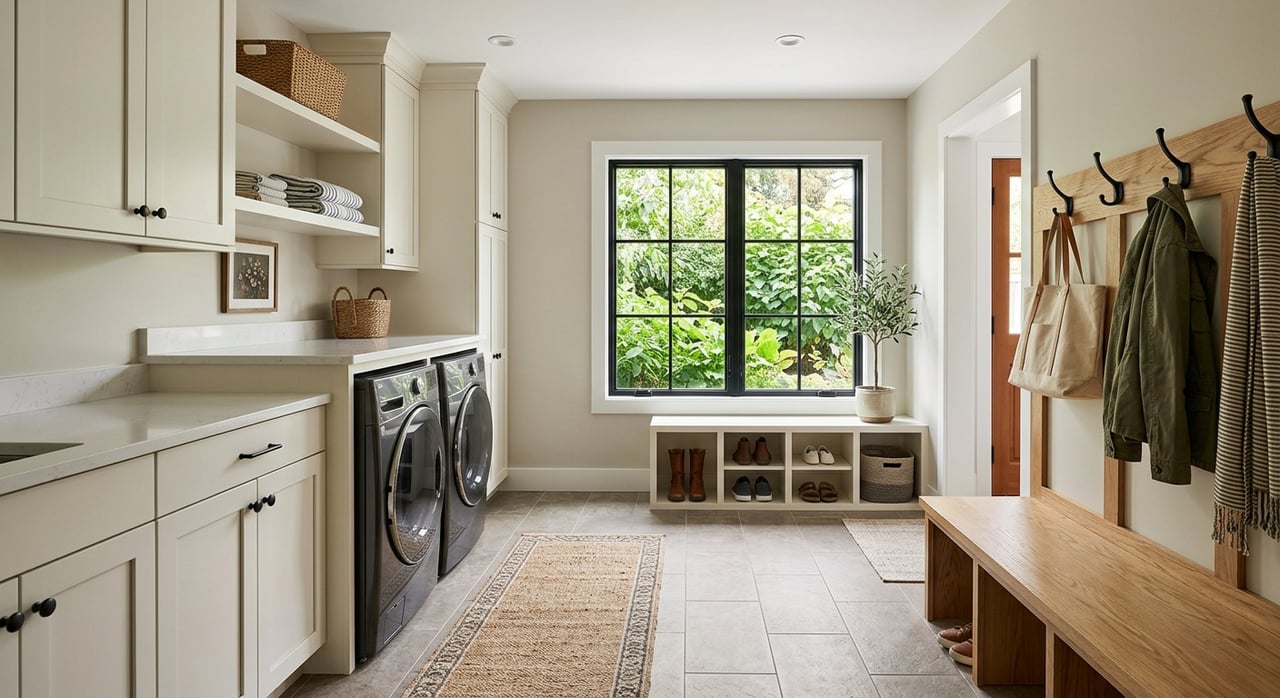
Preparing Your Lancaster Home For A Low-Stress Sale
June 25, 2026
June 25, 2026
Selling your home does not have to mean months of chaos, expensive renovations, or guessing what buyers want. If you are getting ready to sell in Lancaster, the smartest path is usually a focused one: clean up what buyers see first, address issues that could raise concerns, and make it easy for someone to picture themselves living there. With the right prep plan, you can reduce stress, protect your time, and put your home in a stronger position before it hits the market. Let’s dive in.
Lancaster is a market where presentation can make a real difference. Recent market snapshots show homes selling in about 2 to 3 weeks on average and closing close to asking price, which means buyers are moving quickly and comparing condition closely.
That matters even more because Lancaster City has a large share of older housing. The city’s comprehensive plan says about 52% of housing units pre-date World War II, and older homes are more likely to have lead paint and pipes, faulty wiring, or structural damage. If your home is older, thoughtful prep is not just about looks. It is also about reducing buyer concern.
If you want the biggest payoff without overcomplicating the sale, start with the basics. National staging guidance consistently points to decluttering, deep cleaning, and curb appeal as the most common and most useful seller prep steps.
For most Lancaster sellers, this means you should focus on making the home feel clean, open, and well cared for before thinking about major remodeling. In many cases, small visible improvements do more for buyer confidence than an expensive overhaul.
This is the easiest place to begin, and it often creates the fastest visual improvement. Buyers need room to notice the home itself, not your storage challenges or personal collections.
Try to remove excess furniture, clear crowded surfaces, and pack away personal photos and highly specific decor. Closets, pantries, and basement storage areas also matter. If they are packed tight, buyers may assume the home lacks enough storage.
A clean home signals care. It also helps photos show better online, which matters because many buyers decide whether to schedule a showing based on the first images they see.
Pay special attention to kitchens, bathrooms, floors, windows, baseboards, and light fixtures. In Lancaster’s older homes, details like dusty radiators, worn trim, and cobwebs on porches or basement stairs can stand out quickly if they are ignored.
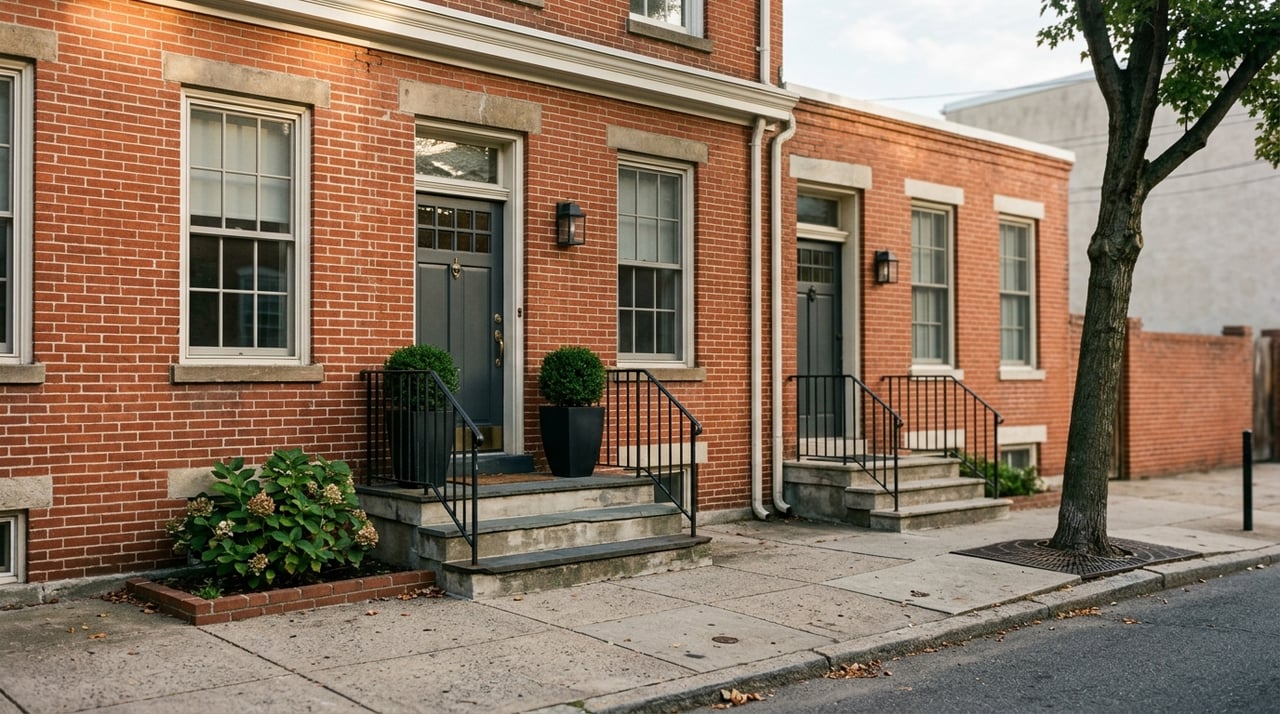
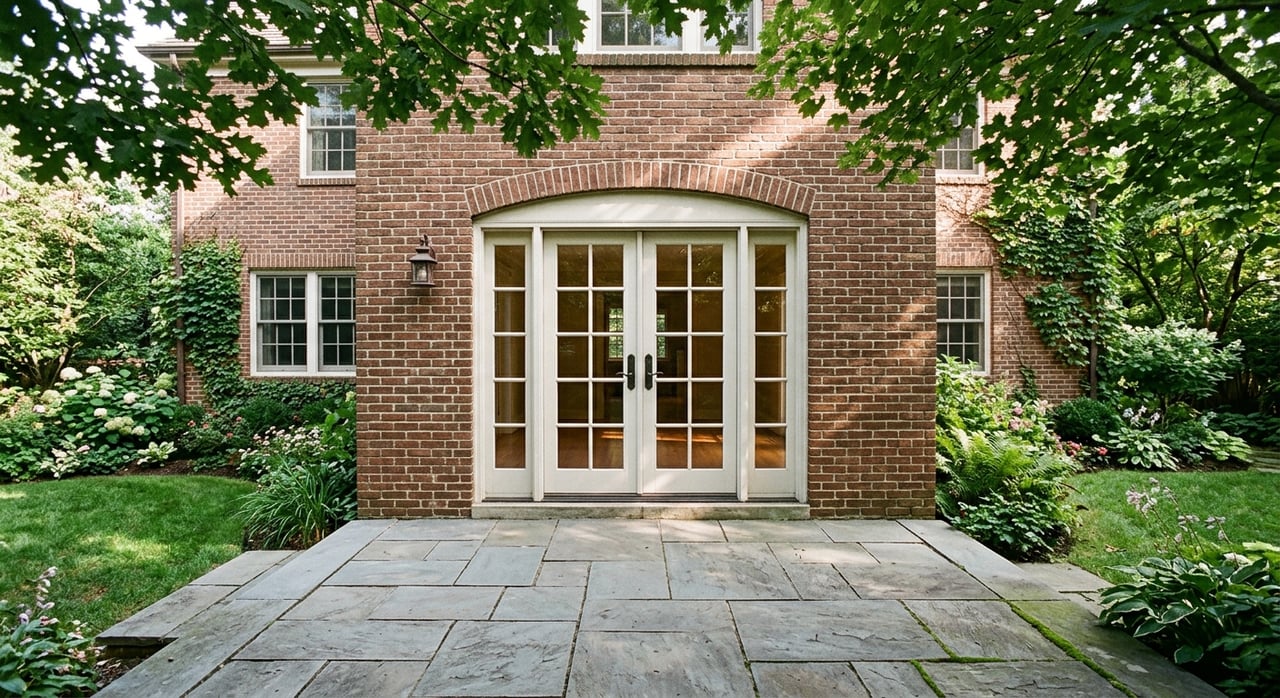
Curb appeal is one of the most important parts of seller prep. Buyers start forming an opinion before they ever walk through the front door, and small exterior issues can shape how they feel about the rest of the house.
Focus on practical, visible tasks like:
You do not need a full landscape redesign. In most cases, a tidy and well-maintained entrance is enough to create a strong first impression.
Once the home is clean and decluttered, the next step is to correct issues buyers are likely to notice or question. This is especially important in Lancaster, where many homes are older and buyers may already be watching for signs of deferred maintenance.
A low-stress sale usually comes from dealing with obvious concerns early instead of waiting for them to come up during showings, inspections, or negotiations. Correcting property faults before listing can help reduce last-minute surprises.
You do not need to fix everything. You do need to pay attention to anything that affects buyer confidence, daily function, or safety.
Common examples include:
In older Lancaster homes, it is especially wise to look closely at wiring, plumbing, and structural concerns if you are aware of them. Lancaster City planning documents note that these issues are more common in older buildings, so buyers may be more alert to them.
Lancaster’s climate makes timing important. NOAA normals for Lancaster show about 44.15 inches of annual precipitation and 21.4 inches of annual snowfall, with the snowiest months typically January and February.
That means roof checks, gutter cleaning, downspout extensions, grading, and safe walkway conditions deserve attention before the wetter or snowier parts of the year if possible. These are not flashy updates, but they can help prevent avoidable buyer concerns.
One of the most common seller questions is whether they should renovate the kitchen or bathroom before listing. In most cases, the answer is no.
Current remodeling guidance points sellers first toward painting and roofing-related work rather than large-scale remodels. For a low-stress sale, strategic cosmetic updates usually make more sense than a full project that costs more, takes longer, and may not match buyer taste.
If you have a limited budget, concentrate on the spaces buyers tend to care about most. Staging research points to the living room, primary bedroom, and kitchen as top priorities.
In practical terms, that could mean:
A new steel front door also stands out in remodeling data as a strong cost-recovery project. If your front entry feels visibly worn, this can be a smart, simple upgrade.
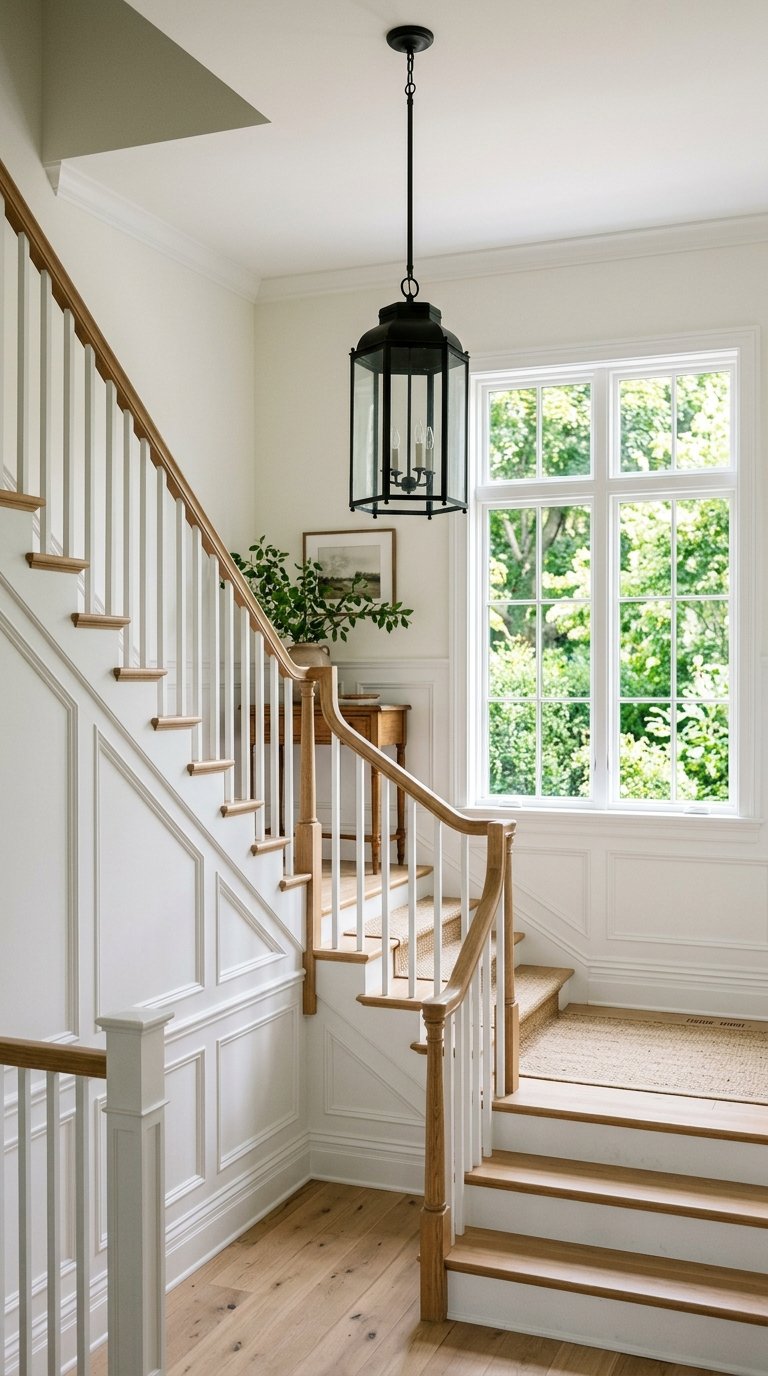
Many Lancaster homes have details that buyers appreciate, especially in established city neighborhoods. Original trim, brick features, hardwood floors, old doors, and traditional exterior elements can add appeal when they are cleaned up and maintained well.
Lancaster’s planning language places value on preservation and compatible improvements. For many sellers, that means it is better to repair and present original features well than to over-modernize in a way that feels out of sync with the house.
If your home has character, let that character work for you. Clean it, repair what is damaged, and make it feel intentional.
Low-stress sales are built on good preparation, and that includes paperwork. In Pennsylvania, sellers are required to disclose known material defects through a property disclosure statement.
If your home was built before 1978, federal lead disclosure rules also require buyers to receive known lead information and hazards before they become obligated under a contract. Because Lancaster has so much older housing stock, this can be an important step for city sellers.
As you prepare your home, keep records in one place. This does not need to be complicated, but it can make the process smoother once buyers start asking questions.
Include items like:
Clear documentation can help support buyer confidence and make your side of the transaction feel more organized.
If you are wondering where to begin, keep the process in this order:
This sequence helps you avoid wasting money on the wrong projects. It also keeps your prep plan manageable, which is often the key to a calmer sale.
In a market like Lancaster, where homes often sell quickly and near list price, good prep can support stronger offers and fewer negotiation concessions. It helps buyers feel more confident, and confidence often shows up in both speed and terms.
Staging research also suggests that preparation matters. Many agents report faster sales for staged homes, and some report a value increase of 1% to 10%. That does not mean you need a designer-level transformation. It means clear, clean, intentional presentation can pay off.
Selling a home is a major transition, but it becomes much more manageable when you focus on the right tasks in the right order. If you want a calm, strategic plan for preparing your Lancaster home for the market, Jasmine Kraybill can help you decide what is worth doing, what you can skip, and how to move forward with confidence.
Stay up to date on the latest real estate trends.
Experience unmatched expertise, service, & integrity from this Real Estate Aficionado! Jasmine is your go-to guide for finding your dream home in Lancaster & beyond. Let's make your real estate journey an adventure!