Lancaster vs West Chester Move Guide for PA Buyers
June 11, 2026
June 11, 2026
Trying to choose between Lancaster and West Chester can feel like comparing two good options that offer very different daily lives. If you are weighing budget, commute, housing style, and the kind of downtown experience you want, the details matter more than the headlines. This guide will help you compare the two through the lens of cost, housing supply, lifestyle, and access so you can make a more confident move. Let’s dive in.
If you want the shortest version, Lancaster City and West Chester Borough offer two distinct paths. Lancaster is the larger and more affordable walkable core, while West Chester is the smaller, higher-cost borough with a dense downtown and strong redevelopment focus.
The 2020 Census counted 58,039 residents in Lancaster City and 18,671 in West Chester Borough. Lancaster also comes in lower on key cost measures that many movers feel right away. Median owner-occupied home value is $219,500 in Lancaster compared with $490,700 in West Chester, and median gross rent is $1,240 in Lancaster versus $1,731 in West Chester.
| Category | Lancaster City | West Chester Borough |
|---|---|---|
| Population | 58,039 | 18,671 |
| Median household income | $63,690 | $78,385 |
| Median owner-occupied home value | $219,500 | $490,700 |
| Median gross rent | $1,240 | $1,731 |
| Average commute time | 23.6 minutes | 20.9 minutes |
| Average household size | 2.44 | 2.00 |
For many buyers, this is where the decision starts to sharpen. Lancaster offers a lower-cost entry point based on current census measures, while West Chester asks for a higher budget in exchange for a more constrained borough market.
That difference does not just affect your monthly payment. It can also shape the type of home you consider, how much flexibility you have for repairs or updates, and whether buying now or waiting makes more sense for your long-term plan.
Lancaster’s median owner-occupied home value of $219,500 stands out for buyers who want more room in their budget. The city also points to more than 1,500 housing units in development, alongside at least 1,700 affordable units and more than 225 additional affordable units in production.
Taken together, that suggests a market with broader price variety and more entry points. If you are looking for a home base that may leave more room for savings, renovations, or other life goals, Lancaster has a strong practical case.
West Chester Borough is a fully built-out community, which means growth happens mainly through redevelopment instead of outward expansion. That kind of physical constraint often creates a tighter housing environment, especially in places with a popular downtown core.
The borough also reports that four of its six largest recent land development proposals were apartment projects totaling 869 proposed living units. Combined with a 35.4% owner-occupied rate, West Chester reads as a denser, more renter-heavy, and higher-priced infill market.
Beyond price, the two places feel different in how they were built and how they continue to grow. Your choice may depend on whether you want a historic small-city feel with a wider mix of homes or a compact borough experience shaped by redevelopment.
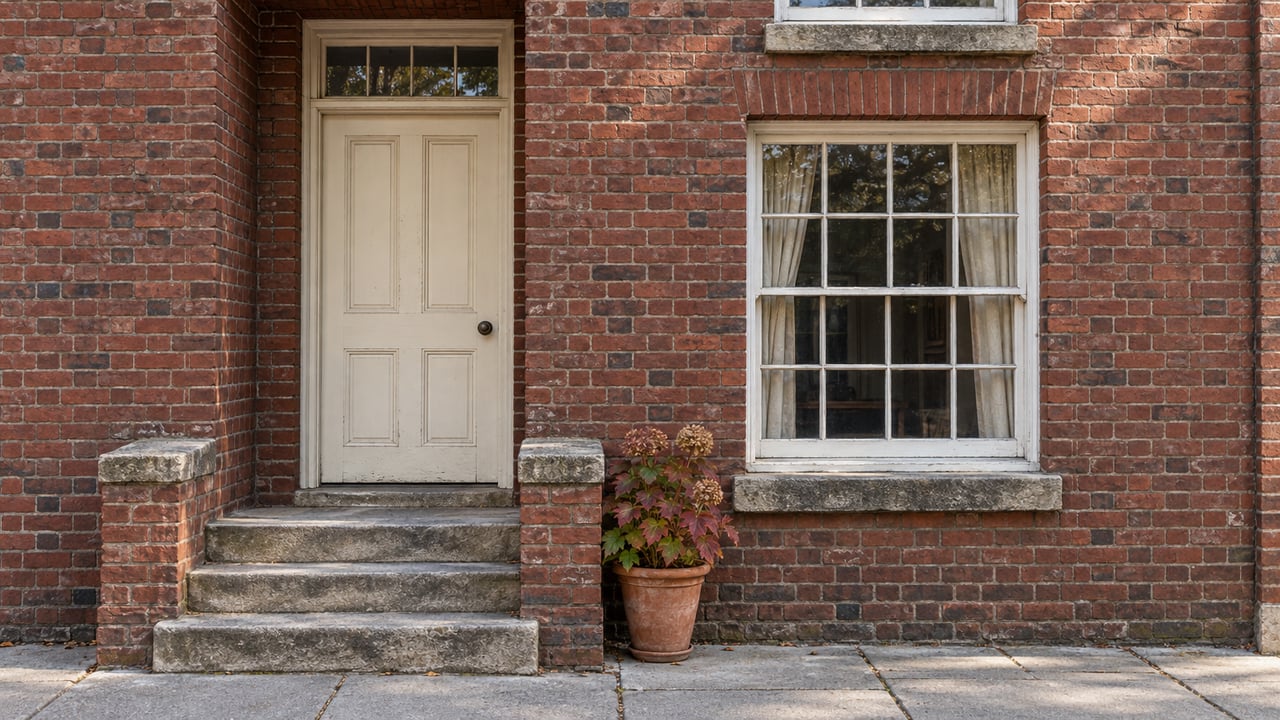
Lancaster says its architecture reflects more than 270 years of settlement, and the city has two local historic districts. It also highlights adaptive reuse as part of how it manages change in older buildings.
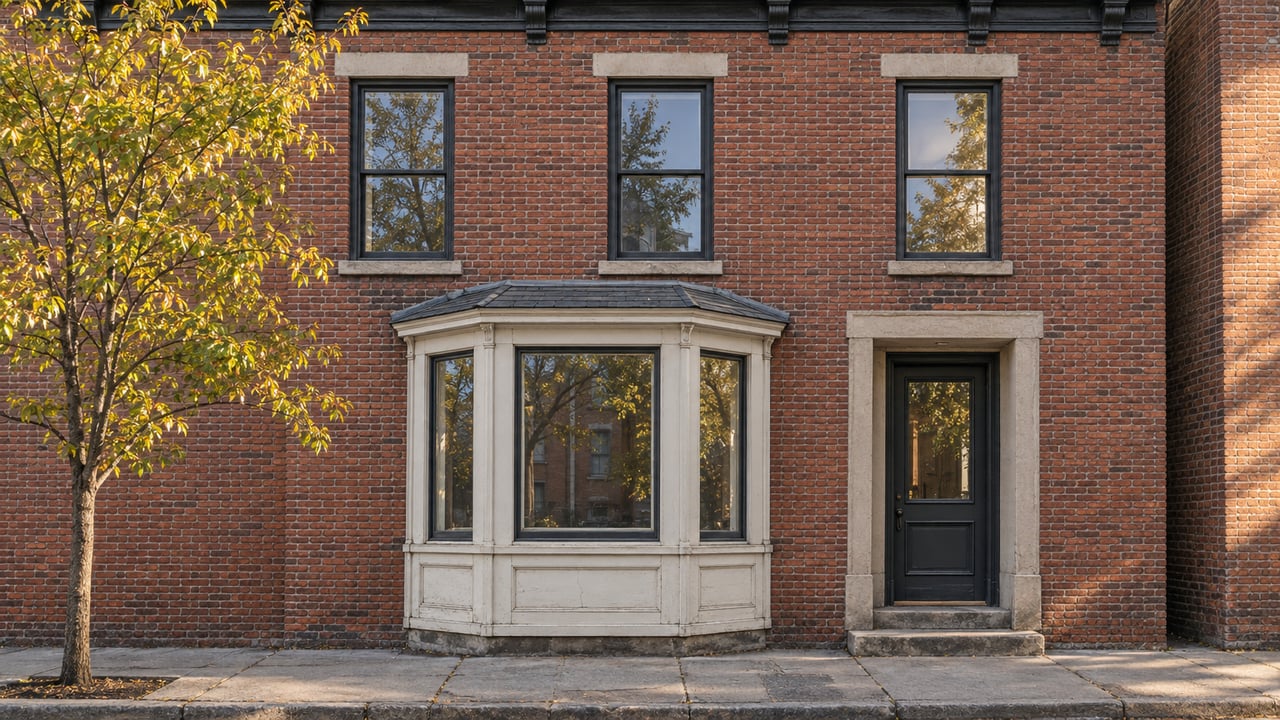
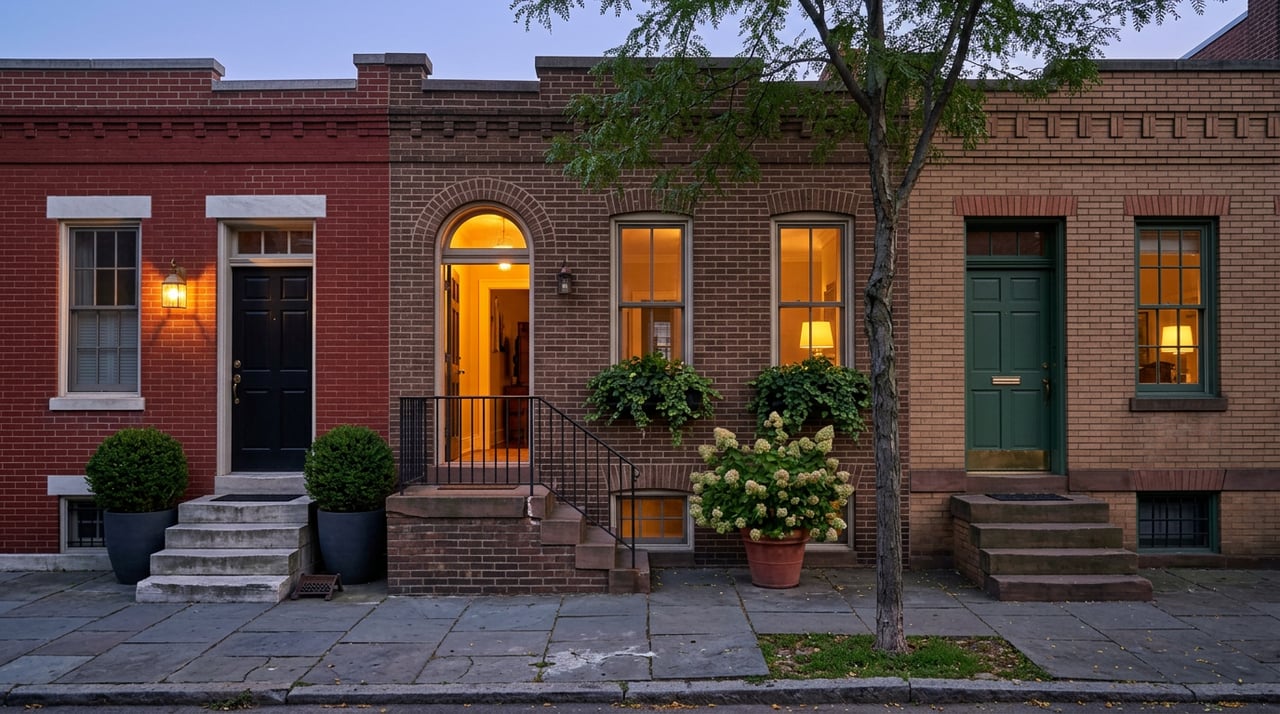
For you, that can mean a more varied housing landscape. Depending on your goals, you may find brick city homes, older residences with character, and a broader range of price points than you would expect in a tighter borough market.
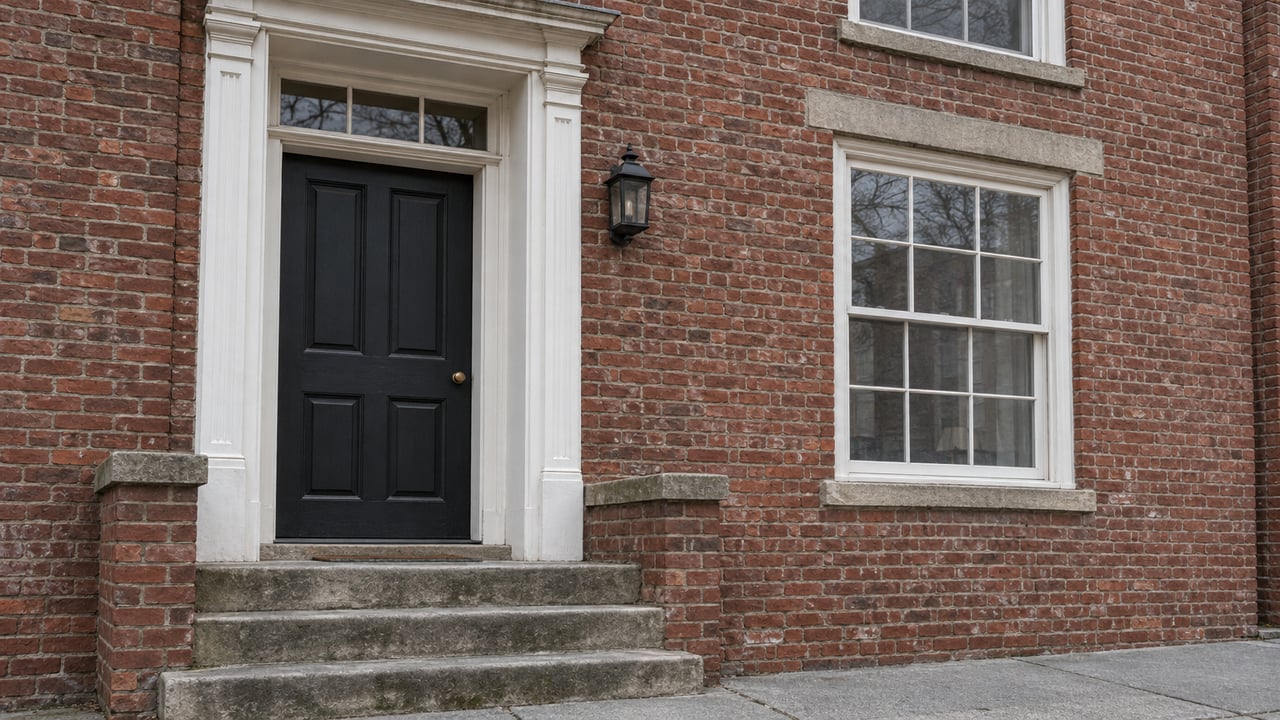
West Chester has a historic borough core, but it is also shaped by limited land and redevelopment pressure. Downtown zoning allows multifamily housing and mixed-use projects up to seven stories in some areas, which points to continued infill rather than major outward growth.
If you like the idea of living near an active downtown and do not mind a denser setting, that may be a good fit. If you want more housing variety at a lower price point, Lancaster may feel easier to navigate.
Where you live is not only about the house. It is also about how your week feels when you step outside, meet friends, run errands, or look for something to do on a Saturday.
Lancaster’s comprehensive plan describes the city as compact and connected, with a traditional street grid, walkable neighborhoods, bike infrastructure, and a central role for transit and public space. The city also has a public art office and says it is home to hundreds of pieces of public art.
Lancaster Rec reports more than 400 neighborhood-based recreation and learning opportunities, and Lancaster Central Market remains one of the city’s best-known anchors. Altogether, Lancaster feels like a historic small city with civic, arts, and market traditions woven into everyday life.
West Chester’s public materials emphasize a historic community with small-town character and regional appeal. The borough is also known for major recurring events such as the Restaurant Festival, Halloween Parade, and Turks Head Festival.
West Chester University adds a large student and cultural presence, and the Business Improvement District was created to support long-term downtown traffic and business growth. If you picture yourself in a lively, restaurant-centered borough with regular events, West Chester offers that energy in a very concentrated way.
Your home base should support the way you actually move through life. Whether you drive every day, want transit options, or hope for easier regional connections, Lancaster and West Chester serve different commuter styles.
Lancaster is the more transit-oriented option based on city and rail information in the research. The city says residents can get around by train, bus, trolley, or taxi, and its comprehensive plan identifies Lancaster as the regional mass-transit hub and a destination along Routes 30, 283, and 222.
Amtrak’s Keystone Service also places Lancaster station on the Harrisburg-to-Philadelphia corridor. If direct intercity rail access matters to you, Lancaster has the clearer advantage.
West Chester is more bus-and-car oriented. SEPTA says Bus Routes 92 and 104 serve the West Chester Transportation Center, and riders looking for rail service should use the Media/Wawa Line to Elwyn rather than expect a rail station in the borough.
The borough also manages parking garages, lots, meters, and permit parking. If you are comfortable driving or using bus connections, West Chester can work well, but it offers a different transportation experience than Lancaster.
The right answer depends on what matters most in this season of life. Budget, lifestyle, commute habits, and long-term goals all shape the decision.
If you strip away the noise, the comparison becomes pretty clear. Lancaster is the more affordable, larger, and more transit-flexible option, while West Chester is the more expensive, denser, and redevelopment-driven borough market.
Neither is universally better. The best choice is the one that supports your finances, your routine, and the future you are trying to build. If you want help sorting through Lancaster, West Chester, or other Southeastern Pennsylvania options, Jasmine Kraybill can help you make a smart move with calm, strategic guidance.
Stay up to date on the latest real estate trends.


Experience unmatched expertise, service, & integrity from this Real Estate Aficionado! Jasmine is your go-to guide for finding your dream home in Lancaster & beyond. Let's make your real estate journey an adventure!