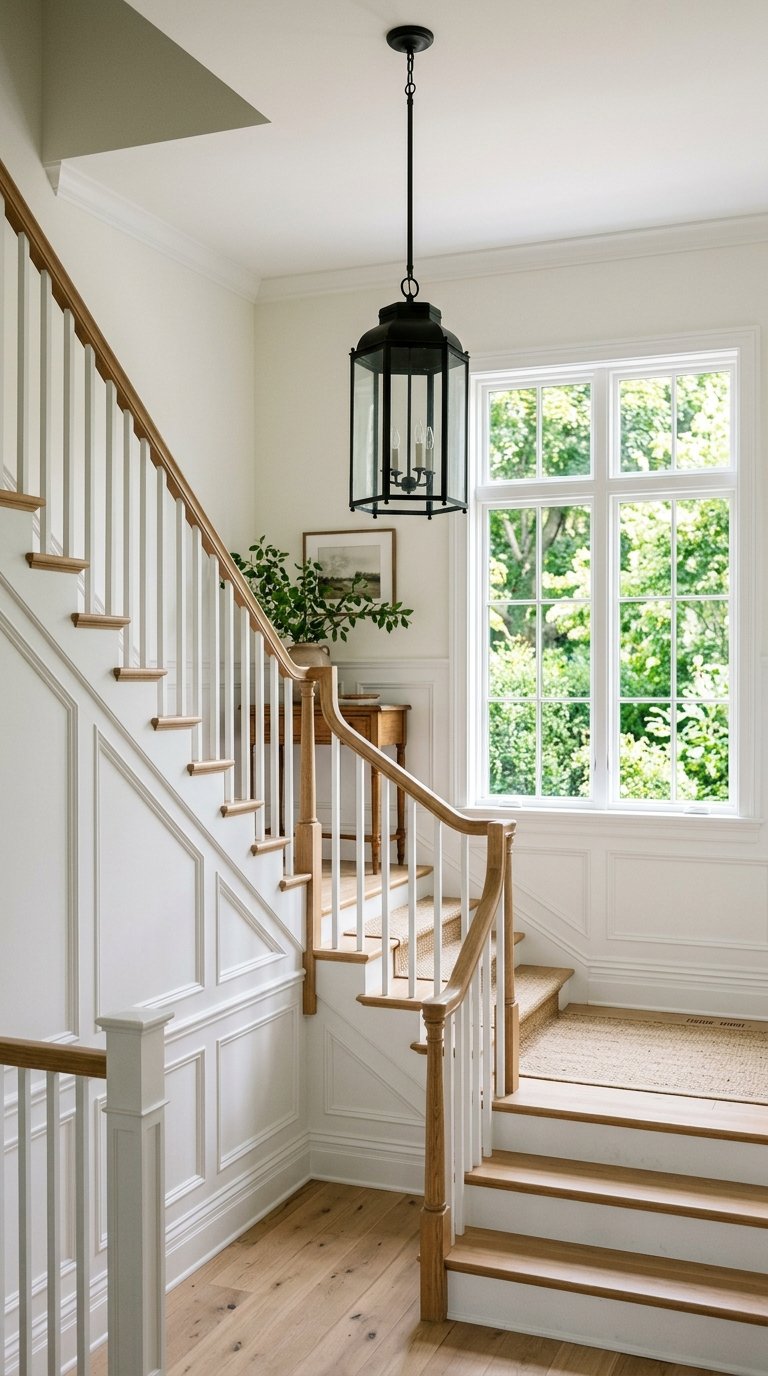
Buying a Home in Lancaster Remotely With Confidence
June 18, 2026
June 18, 2026
Buying a home from out of town can feel like trying to solve a puzzle without seeing all the pieces. If you are relocating to Lancaster or trying to secure a home here while managing work, family, or travel, you may wonder how much of the process can really happen from a distance. The good news is that remote homebuying in Lancaster is very possible when you have the right plan, the right local guidance, and a clear understanding of how the process works. Let’s walk through what matters most.
Remote buying is more practical today because Pennsylvania allows both electronic notarization and remote online notarization. Lancaster County also supports electronic recording and reports that more than 90 percent of documents are recorded electronically. Together, those systems can make parts of the transaction smoother when you cannot be in town.
That does not mean every closing works exactly the same way. Your lender and settlement team still need to confirm what can be signed remotely, what must be handled in advance, and how final documents and funds will move. The key is to start those conversations early instead of waiting until closing week.
If you are buying from afar, you need more than polished listing photos. A strong remote search process should give you the same kind of context you would want if you were walking through the property in person. That includes how the home feels, how the street looks, and what the surroundings are like.
The most helpful virtual tour package usually includes:
Buyer research from the National Association of Realtors shows that buyers rely heavily on photos, detailed property information, virtual tours, neighborhood information, and videos during their search. If you are out of town, those details become even more important because they help you compare homes with more confidence.
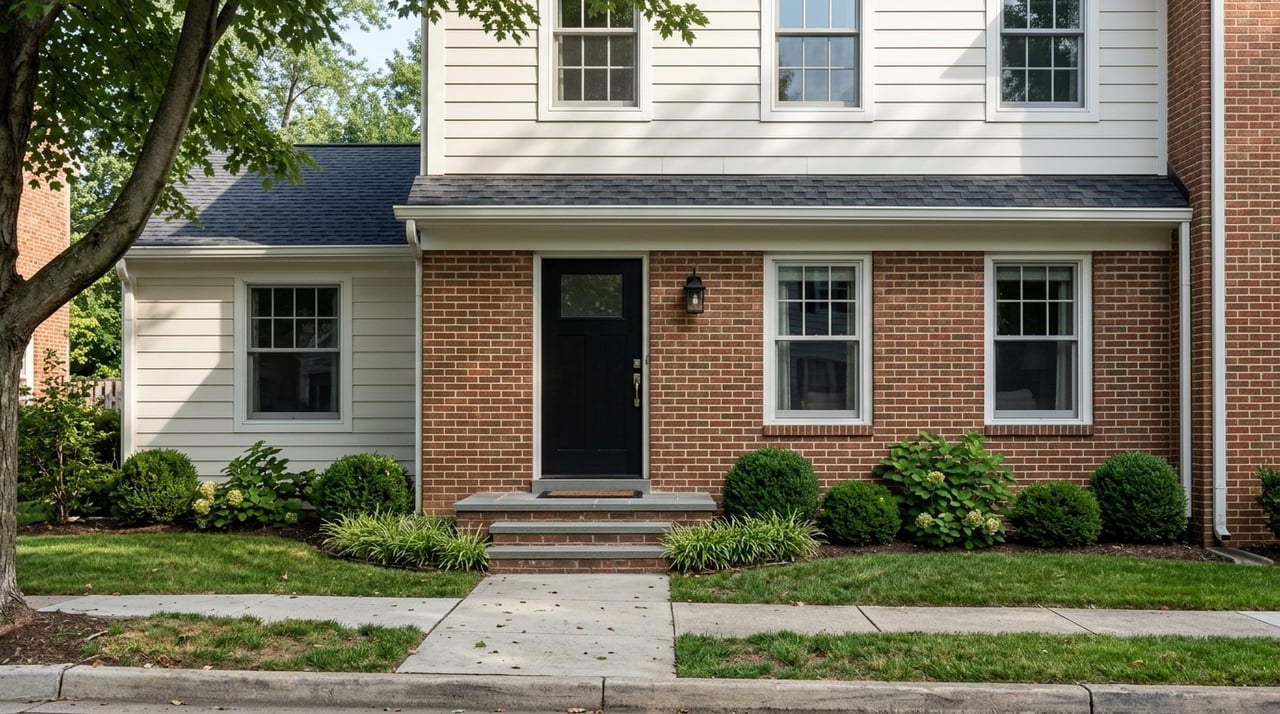
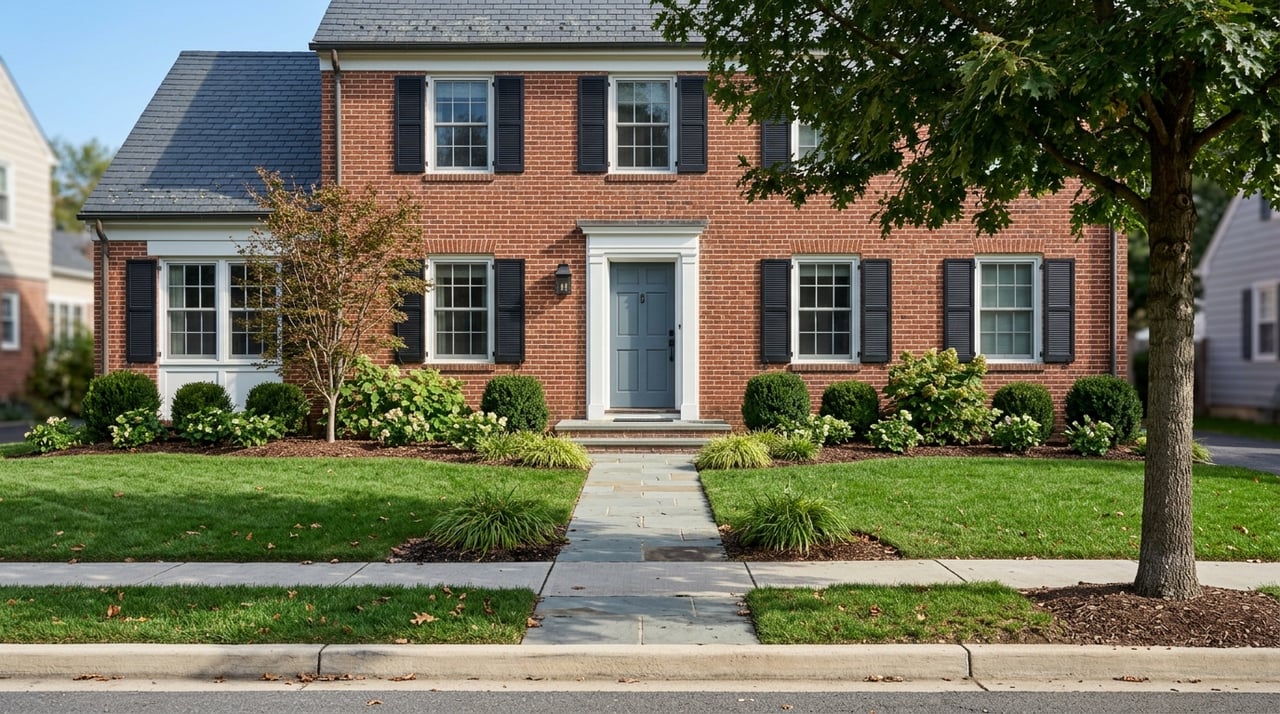
A remote showing should go beyond countertops, paint colors, and bedroom sizes. You should also see the exterior condition, the approach to the home, nearby traffic patterns, and practical details like parking or access. Those details can shape your daily experience just as much as the interior layout.
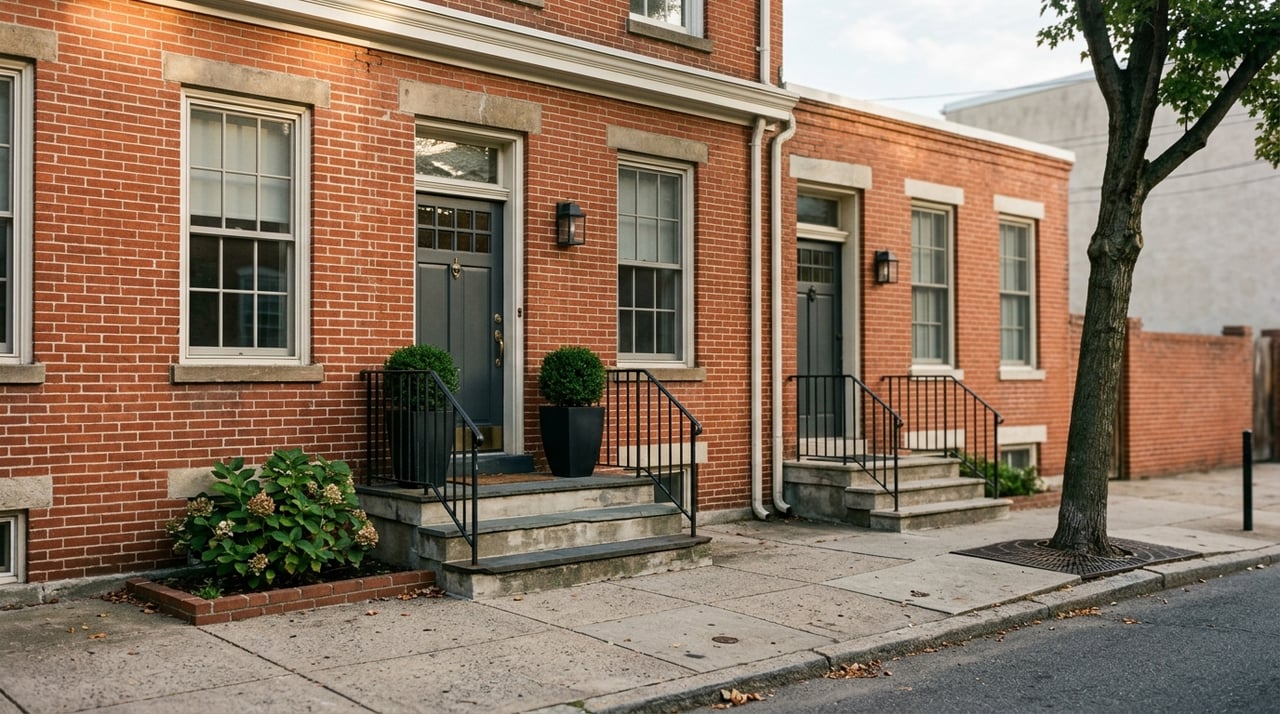
This is especially helpful in Lancaster, where housing styles and street layouts can vary quite a bit from one area to another. Whether you are looking at a brick city home, a townhouse, or a detached suburban property, wider context helps you make a more informed decision.
One surprise for many remote buyers is that paperwork may start earlier than expected. As of August 17, 2024, many professionals may ask buyers to sign written buyer agreements before touring a home, including before a live virtual tour. If you are planning to begin your search from another city or state, it helps to know that your first step may involve documents before your first showing.
This is not something to fear. It is simply part of being prepared. When your paperwork is in place early, you can move faster when the right Lancaster home appears.
In Lancaster County, location details matter in a very practical way. Recorded documents must show the correct municipality, county, and state where the property is located. If a property spans more than one municipality, the document must also state how the local transfer taxes are split.
That means a remote buyer should not rely only on a mailing address or listing description. You want to confirm the parcel details, municipality, and other public property information well before closing. Lancaster County provides public property and assessment tools that can help with that verification.
Pennsylvania imposes a 1% state realty transfer tax, and county recorders often collect that together with local transfer tax. Lancaster County also requires transfer taxes and a Statement of Value with transfers unless an exemption is clearly stated. If the wrong location is used in the filing, the customer is responsible for correcting it and seeking any refund.
In Lancaster City, city materials describe a 1% local realty transfer tax, with half going to the school district. The city also states that property tax is based on assessed value rather than market value, and property taxes are paid to the county, city, and school district. For a remote buyer, that is a reminder that exact location details affect more than the map pin.
If you cannot be in town, your inspection strategy matters even more. A home inspection is different from an appraisal. The lender generally requires an appraisal, while the inspection is your opportunity to better understand the property’s condition.
If your contract includes an inspection contingency, you may be able to cancel without penalty if the inspection is not satisfactory. That makes timing important. You do not want to delay this step and lose valuable decision-making time.
When possible, attending the inspection can make it easier to ask questions and interpret the findings. But if you are buying remotely, you can still make this step much more useful by asking for:
That combination gives you a better feel for the home and helps you avoid making decisions based only on technical wording in a report. For out-of-town buyers, a clear post-inspection conversation can be one of the most valuable parts of the process.
Remote closings tend to feel harder when buyers leave too many tasks for the final week. Your lender will need proof of homeowners insurance before funding the loan. If your mortgage includes an escrow account, an initial deposit is also typically required.
That is why insurance quoting and escrow planning should begin well before closing day. A little early coordination can help you avoid delays, last-minute stress, and rushed decisions.
You must receive the Closing Disclosure at least three business days before closing. Once you receive it, compare it with your Loan Estimate and ask questions about any differences you do not understand. You should not feel pressured to sign documents you have not had time to review.
If you are out of town, ask your lender or closing agent to send the Closing Disclosure and other important documents as early as possible. That gives you time to review everything carefully and make sure the numbers and terms match your expectations.
At closing, the typical participants are the buyer, seller, real estate agents, and a settlement agent. The settlement agent handles the legal transfer of title and ownership. If you are not physically present, the most important questions are operational.
You will want to confirm:
Because Pennsylvania permits remote online notarization and Lancaster County widely uses electronic recording, many remote buyers have a workable path forward. Still, each transaction depends on the lender and settlement team, so clear communication is essential.
One of the biggest risks in a remote transaction is not the tour or the paperwork. It is fraud. The Consumer Financial Protection Bureau warns that scammers can pose as real estate or settlement professionals and send fake last-minute wiring changes.
The safest approach is simple: verify all wire instructions through a known phone number or trusted contact, not through a new email or a sudden message asking for changes. If anything feels rushed or different than expected, pause and confirm before sending funds.
When you are buying from out of town, strong communication reduces stress. Buyer research shows that buyers value personal phone calls, text updates, and fast alerts when listings appear or property status changes. In a remote purchase, that kind of steady contact is not just convenient. It helps you stay grounded and ready to act.
A good communication plan usually covers search updates, showing feedback, contract deadlines, inspection timing, financing milestones, and closing preparation. When you know what is happening and what comes next, the process feels much more manageable.
If you want to keep your Lancaster purchase on track from a distance, focus on these steps:
Buying remotely does require more planning, but it does not have to feel risky or chaotic. With the right preparation, you can move through the process with clarity and confidence, even if you are miles away.
If you are planning a move to Lancaster and want calm, strategic guidance from a local expert, Jasmine Kraybill can help you navigate the process with steady communication and strong local insight.
Stay up to date on the latest real estate trends.

Experience unmatched expertise, service, & integrity from this Real Estate Aficionado! Jasmine is your go-to guide for finding your dream home in Lancaster & beyond. Let's make your real estate journey an adventure!