A Practical Lancaster PA Relocation Guide for Professionals
April 23, 2026
April 23, 2026
If you are relocating for work, Lancaster can feel like a smart middle ground right away. You get a regional employment hub, manageable average commute times, and access to train, airport, and highway connections without the pace of a much larger metro. If you want to make a confident move without wasting weekends on the wrong areas, this guide will help you focus on what matters most first. Let’s dive in.
For busy professionals, your first housing decision in Lancaster is usually not style or square footage. It is commute geography.
According to the U.S. Census QuickFacts for Lancaster City and Lancaster County, mean travel time to work is about 23.6 minutes in the city and 23.8 minutes countywide. That suggests you can often build a workable daily routine here, but your exact location still shapes how easy your week feels.
Lancaster also works well for professionals who need regional access. The Lancaster Chamber notes that Lancaster County is within about a three-hour drive of New York City, Philadelphia, Baltimore, and Washington, DC. Harrisburg International Airport is about 30 minutes away, and Lancaster Station offers Amtrak service downtown.
If your job is local, think about where you need to be most often and how you want to get there. If your work involves occasional travel, access to the rail station, major roads, or airports may matter just as much as the home itself.
Lancaster is not a one-industry town, which is helpful when you are planning a move around career stability. The city’s comprehensive plan identifies major employment in health care and social assistance, education, manufacturing, and retail.
EDC Lancaster County, cited in that same planning context, reported a 2023 private-sector economy totaling $36.85 billion, with growth led by retail trade, health care, professional and business services, information, and leisure and hospitality. For you, that means Lancaster offers a broader economic base than many people expect.
That variety also affects where people choose to live. Some professionals want to stay near downtown, hospitals, offices, or the rail station. Others prefer township locations that trade a slightly more car-oriented routine for more parking, yard space, or a different housing layout.
The biggest choice for many relocating buyers is whether you want a more urban daily rhythm or a more suburban one. Lancaster can support both, but the feel is different.
Lancaster City is compact and walkable. The city’s comprehensive plan says most residents live within the 4-square-mile historic core, which helps explain why block-by-block character can shift quickly.
Housing in the city is also more urban and mixed in style than in the county overall. The Census reports an owner-occupied rate of 48.6%, a median owner-occupied home value of $219,500, and a median gross rent of $1,240.
If you want walkability, easier transit access, and proximity to downtown amenities, the city is often the first place to look. It can be especially appealing if you value a shorter route to Lancaster Station or want daily errands and restaurants closer to home.
Lancaster County is more owner-occupied overall and tends to be higher priced than the city. The Census reports a county owner-occupied rate of 69.8% and a median owner-occupied home value of $301,100.
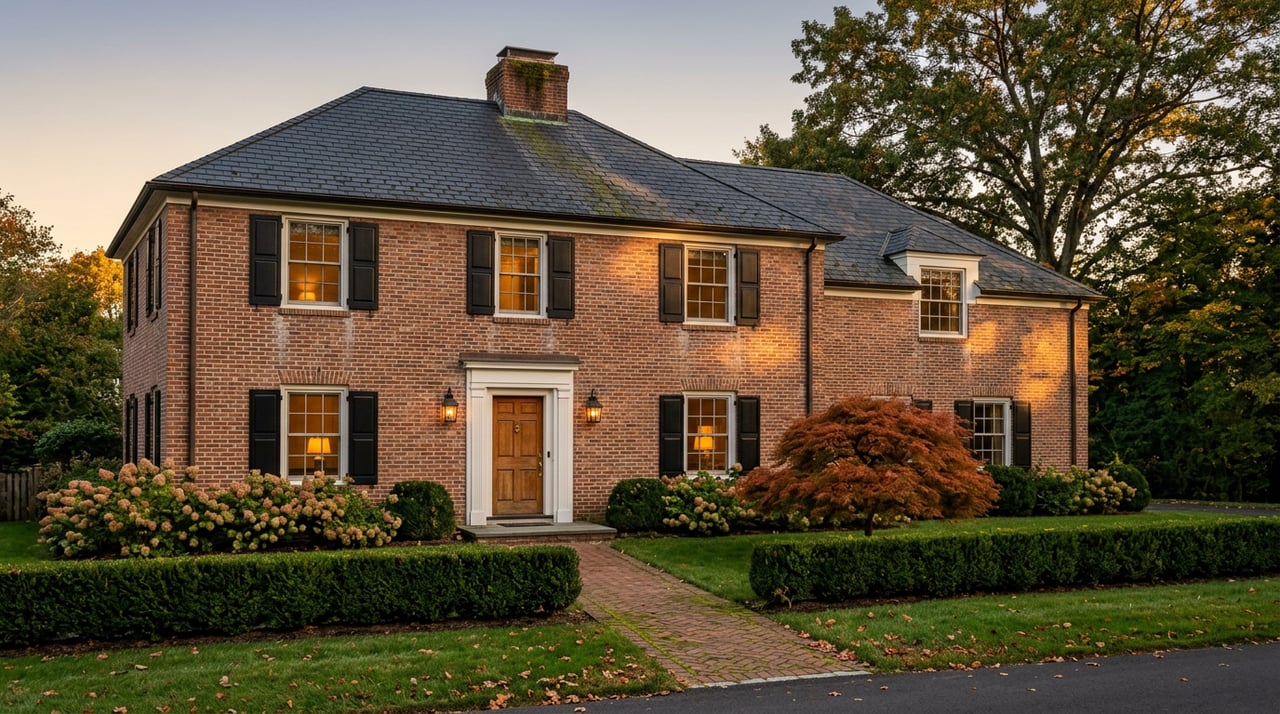
Lancaster Township offers one useful example of the in-between option many professionals like. It has a 67.9% owner-occupied rate and a median home value of $278,900, which can place it in a practical middle ground between city convenience and suburban feel.
If you want more off-street parking, a yard, or a less dense setting, township and outer-county areas may fit better. If you want to reduce car dependence or stay closer to downtown and the train station, the city core may make more sense.
One of Lancaster City’s biggest strengths is also something you need to understand clearly before buying. The city has a substantial historic housing fabric.
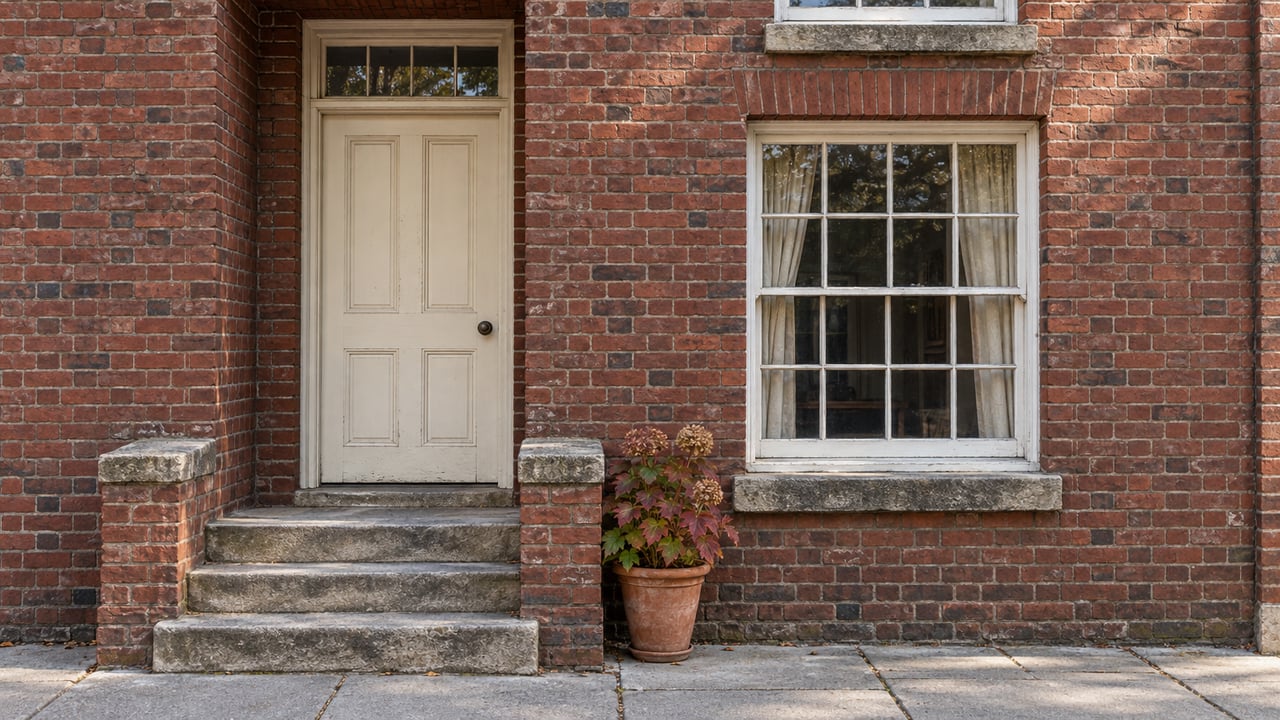
The National Register overview says Lancaster’s historic district includes nearly 14,000 historic resources and is one of the largest continuous National Register districts in the United States. That does not mean every home is the same, but it does mean older construction and historic context come up often in the search process.
If you are considering a city home, pay close attention to practical items during tours and inspections, including:
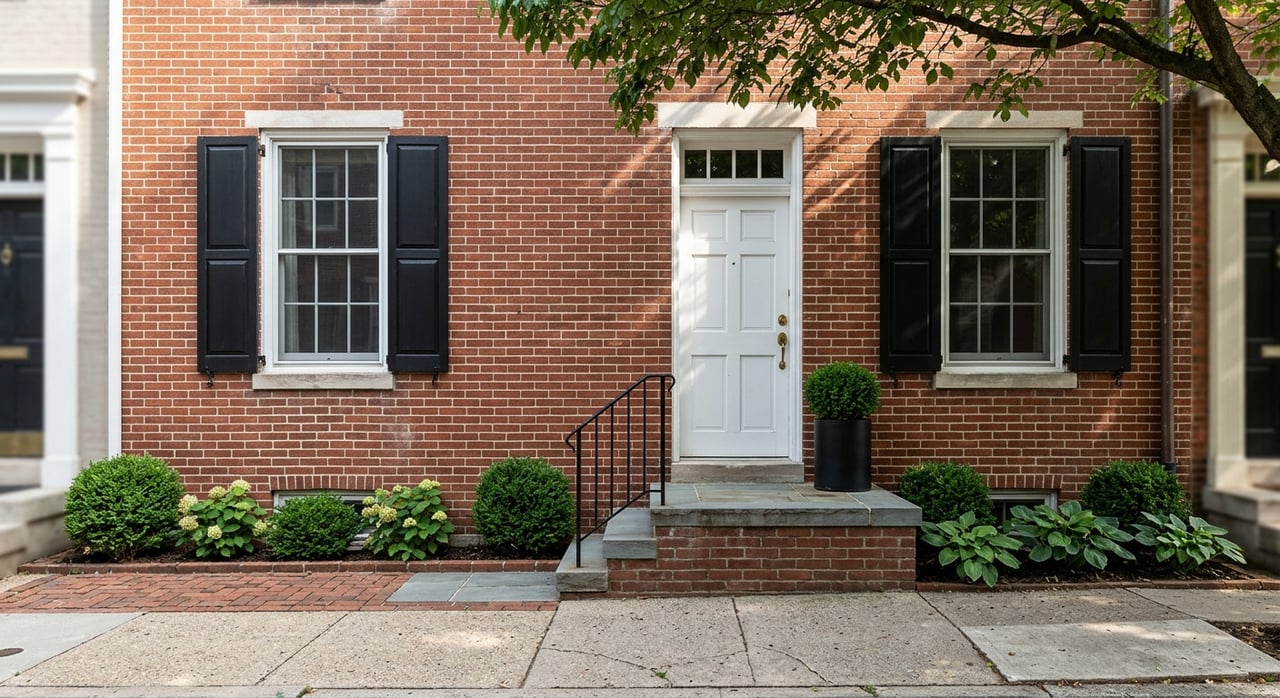
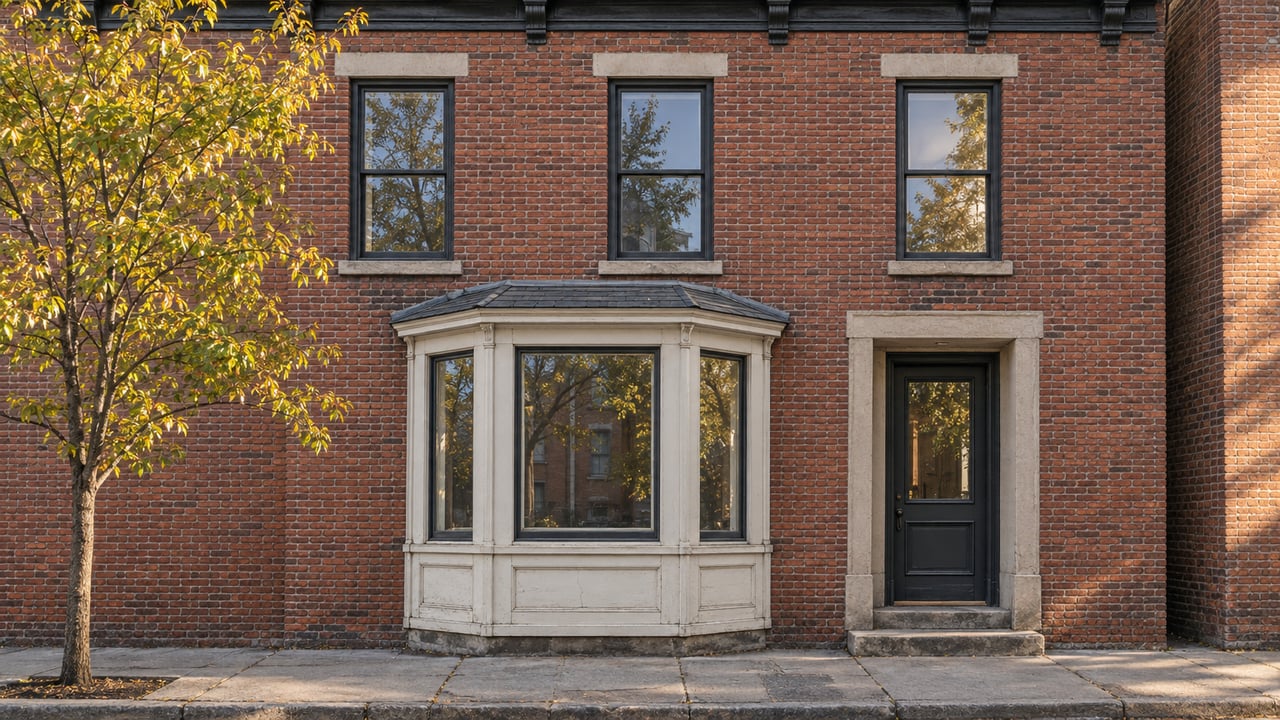
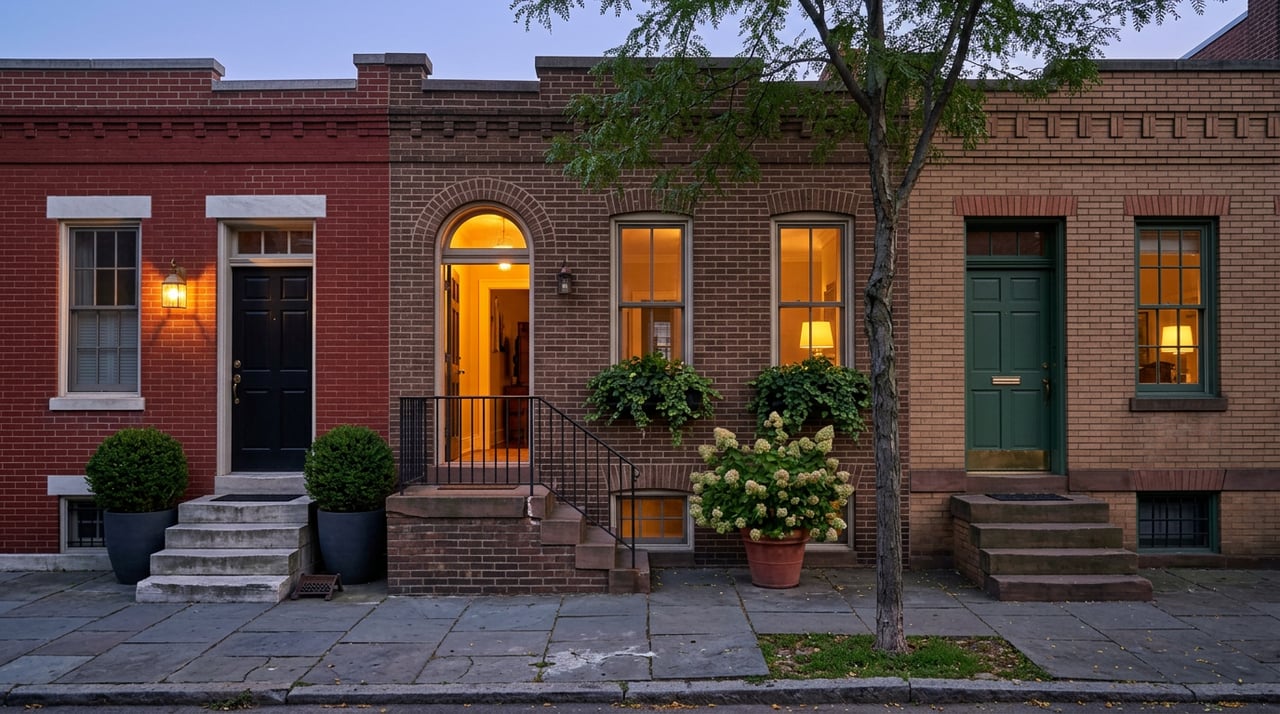
This is one reason remote buyers benefit from clear local guidance. A charming brick rowhome can be a strong fit, but it should also be evaluated with care and realistic expectations.
When your schedule is tight, trying to understand all of Lancaster at once usually creates more stress. A better approach is to sort areas by lifestyle and commute needs before you ever step into a house.
Lancaster City has an active neighborhood structure, and the city lists official neighborhood groups such as Chestnut Hill, College Park, East Side, Musser Park, Old Town, SoWe, and others. That is useful because it reflects a real neighborhood network, even though informal neighborhood labels are not legal boundary lines.
For busy professionals, a practical short list often looks like this:
This kind of filter helps you compare homes more fairly. Instead of bouncing between completely different lifestyles, you can focus on the version of Lancaster that best supports your workweek.
If you are relocating from outside the area, structure matters. A scattered search wastes time, while a simple plan helps you make faster and better decisions.
A practical workflow for Lancaster is to define your commute anchor first, then group showings by geography. That could mean one cluster near downtown and the station, one cluster in city neighborhoods, and one cluster in township or county locations.
Live video tours are especially helpful here because Lancaster can vary noticeably by block, parking setup, traffic pattern, and housing type. If you are doing a short in-person visit, downtown touring is manageable too. Discover Lancaster notes that downtown has eight parking garages or lots and more than 1,000 metered spaces.
For compressed timelines, a practical sequence often looks like this:
That approach gives you enough context to avoid rushing into a home that fits on paper but not in real life.
A relocation decision is not only about buying a house. It is also about how quickly you can settle into daily life.
Lancaster has several basics that can make that transition smoother. Lancaster General Hospital is a 525-bed hospital and Lancaster County’s only Level I Trauma Center, with a wider network through Penn Medicine Lancaster General Health.
For errands and routine, Lancaster Central Market is open year-round on Tuesdays, Fridays, and Saturdays from 6 a.m. to 3 p.m. The city highlights it as a long-standing local resource, and Discover Lancaster notes that it includes more than 70 small, locally owned businesses.
Transportation options also add flexibility. The city’s public transportation page lists train, bus, trolley, and taxi, and Red Rose Transit serves Lancaster City and County.
If your goal is to move and feel functional fast, that mix matters. You are not starting from scratch when it comes to health care, groceries, transit, and everyday services.
Even if your move is career-driven, quality of life still shapes whether Lancaster feels like home. The good news is that the city and county make it fairly easy to plug into recreation and local events.
The City of Lancaster lists parks including Long’s Park, Musser Park, Reservoir Park, and Binn’s Park. Lancaster Rec also offers more than 400 neighborhood-based recreation and learning opportunities, while the county park system manages six regional parks and three recreational trails totaling 2,055 acres.
Lancaster also has a steady cultural rhythm that does not require a lot of planning to enjoy. ArtWalk is a biannual, self-guided event centered on galleries, studios, public art, and downtown culture, and the city regularly promotes neighborhood-level engagement through community events.
For many professionals, that is part of the appeal. You can keep a full schedule, but still find simple ways to connect with the place where you live.
Relocating to Lancaster works best when you simplify the process. Start with commute geography, then compare city and suburban lifestyles, narrow your neighborhoods, and use a structured touring plan that respects your time.
Lancaster offers a practical mix of moderate commute times, regional connectivity, established neighborhoods, historic housing, and everyday convenience. If you want a move that feels more strategic and less overwhelming, the right local guidance can make all the difference.
If you are planning a move to Lancaster and want a clear, calm strategy for neighborhoods, touring, and timing, connect with Jasmine Kraybill for trusted local guidance.
Stay up to date on the latest real estate trends.


Experience unmatched expertise, service, & integrity from this Real Estate Aficionado! Jasmine is your go-to guide for finding your dream home in Lancaster & beyond. Let's make your real estate journey an adventure!