Lancaster City vs Suburbs Homes: How to Choose Wisely
April 2, 2026
April 2, 2026
Trying to choose between Lancaster City and the suburbs? You are not alone. Many buyers start with a simple question, but the real answer usually comes down to how you want to live day to day, what kind of home fits your budget, and how much space or upkeep feels right for you. This guide will help you compare the tradeoffs clearly so you can move forward with more confidence. Let’s dive in.
The biggest mistake buyers make is treating Lancaster City and the suburbs like two single choices with one price for each. In reality, both areas include a wide range of housing options, price points, and daily living experiences.
According to the latest Lancaster market overview, Lancaster City neighborhoods range from about $166,000 in Southside to about $587,450 in Blossom Hill. In nearby county markets, prices also vary widely, from about $285,000 in Columbia to about $575,000 in Lititz. That means your best fit is usually not “city or suburbs” in the abstract. It is the specific neighborhood or municipality that matches your goals.
If budget is one of your top concerns, Lancaster City often offers a lower starting point. Census data shows a median owner-occupied home value of $219,500 in Lancaster City compared with $301,100 in Lancaster County.
Monthly carrying costs also trend lower in the city. The same Census data shows median monthly owner costs with a mortgage at $1,510 in the city versus $1,818 countywide. That difference can matter if you want to keep more flexibility in your monthly budget.
At the same time, you should not assume the county is out of reach or that the city is always the better deal. Current Lancaster County market data shows meaningful variation by municipality, including Ephrata at about $354,997, Neffsville at about $422,900, Elizabethtown at about $427,450, and Columbia at about $285,000.
Your budget does more than narrow your price range. It also shapes the type of home, lot size, and location you can realistically pursue.
In many cases, a similar payment may buy you an attached home or older property in the city, while outside the city core it may buy a detached home, a different layout, or a larger yard. The right choice depends on which tradeoffs matter most to you.
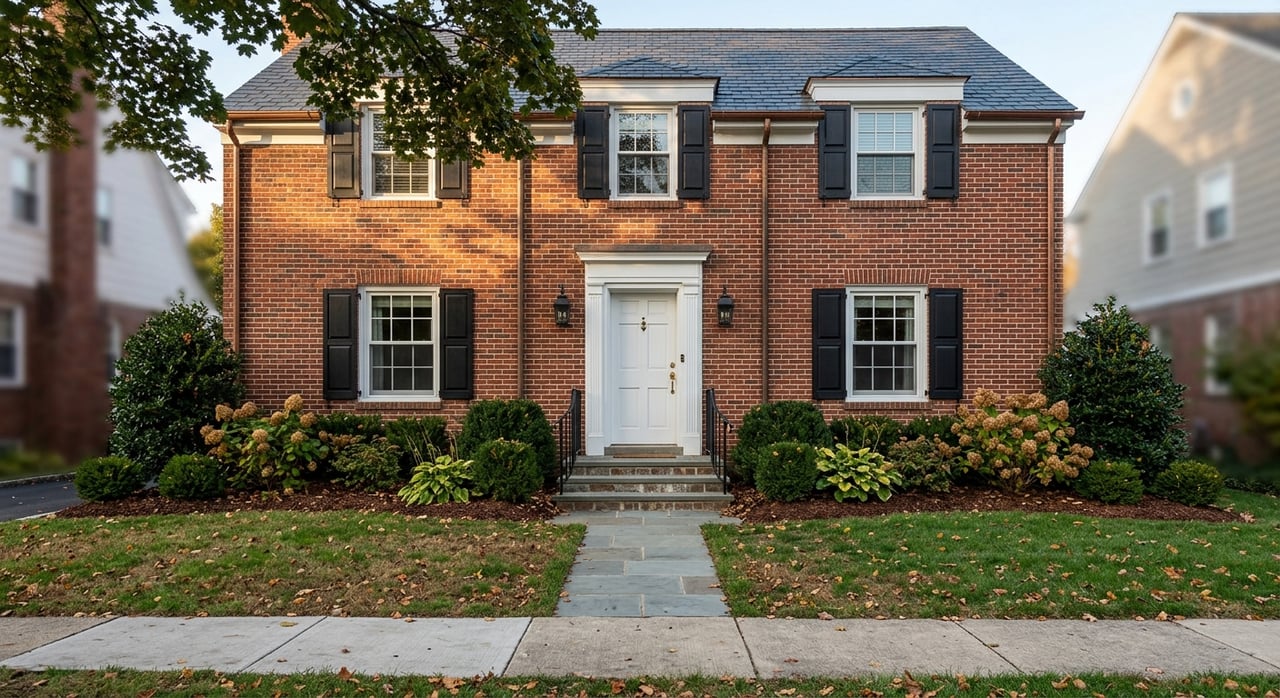
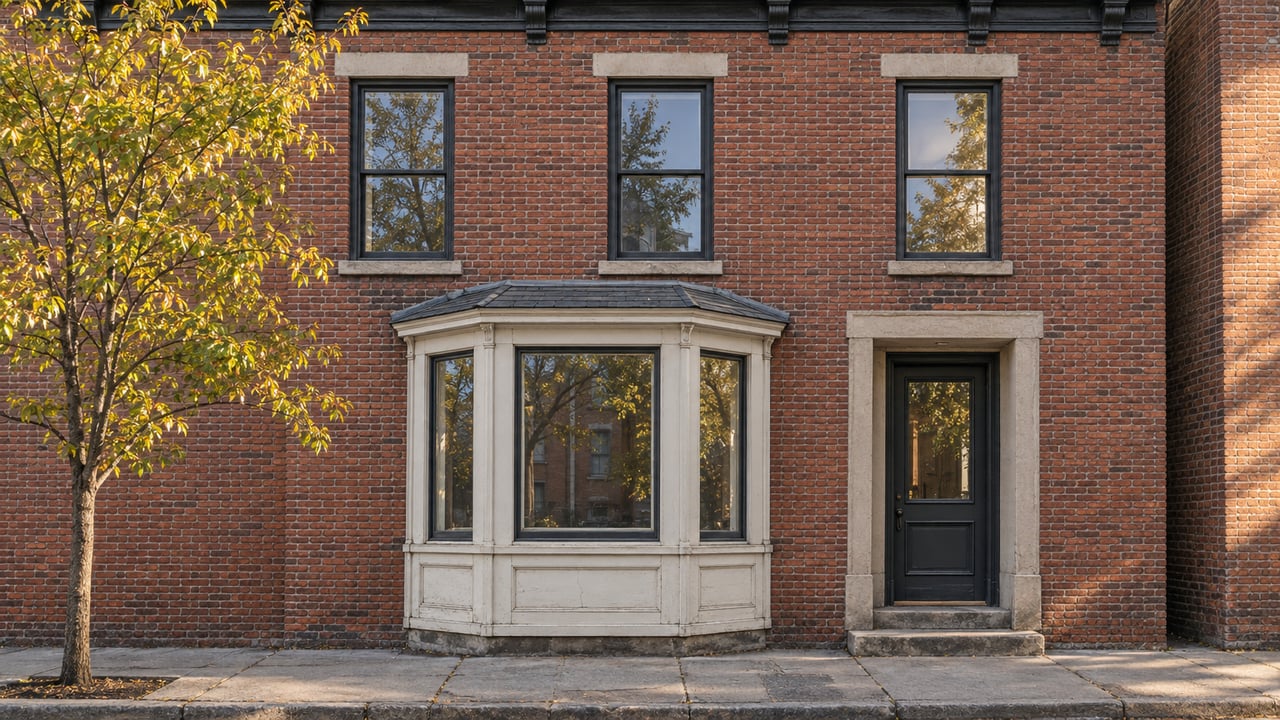
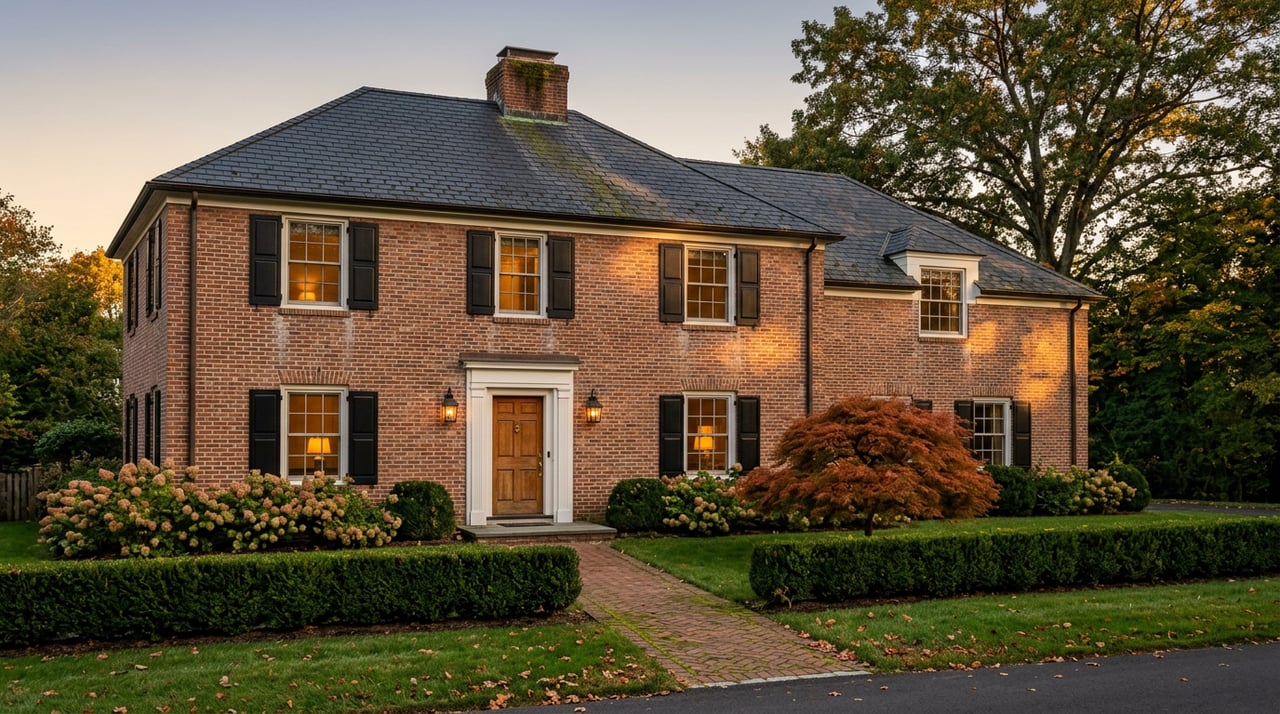
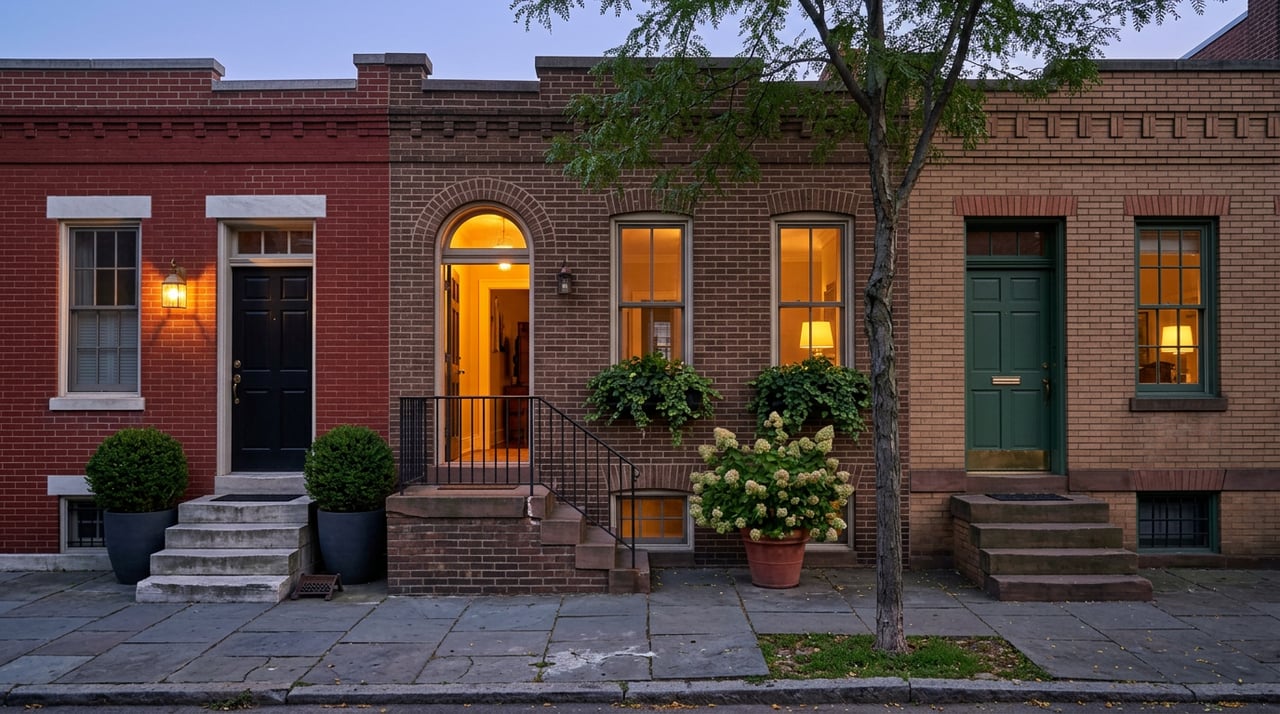
One of the clearest differences between Lancaster City and surrounding areas is the housing stock itself. Lancaster City has more attached homes and older housing, while the county tends to offer more detached single-family homes.
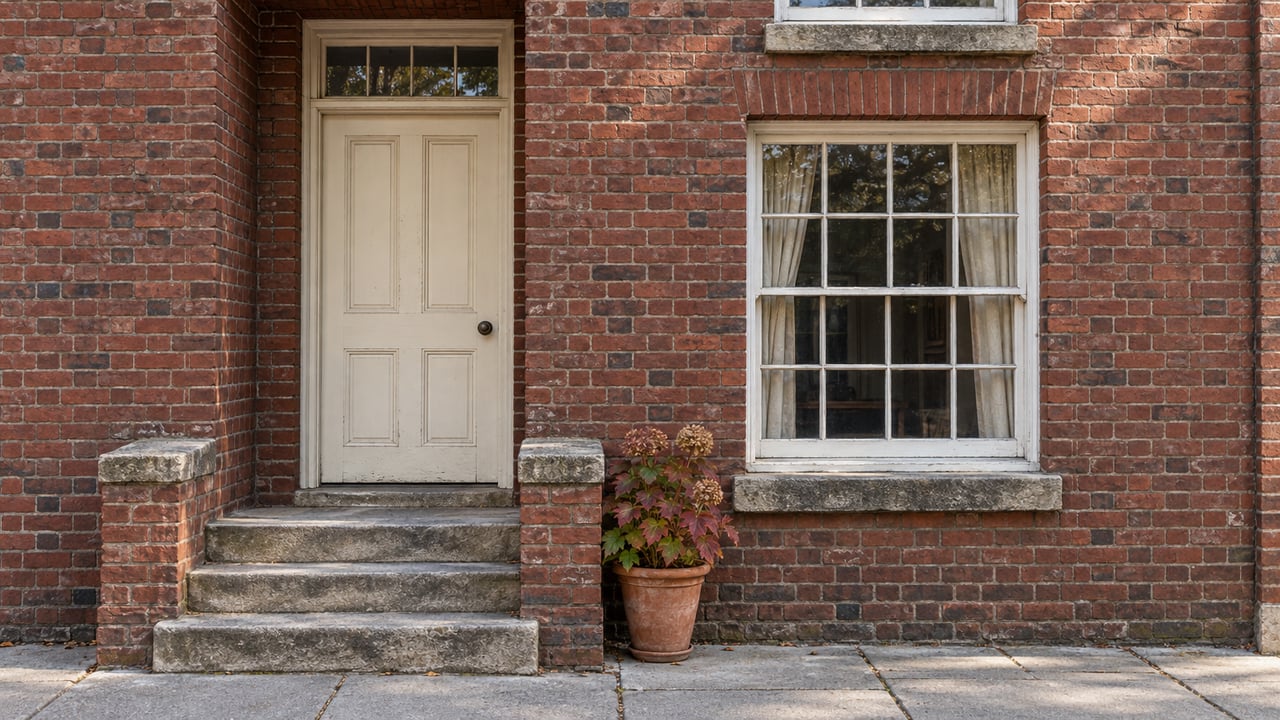
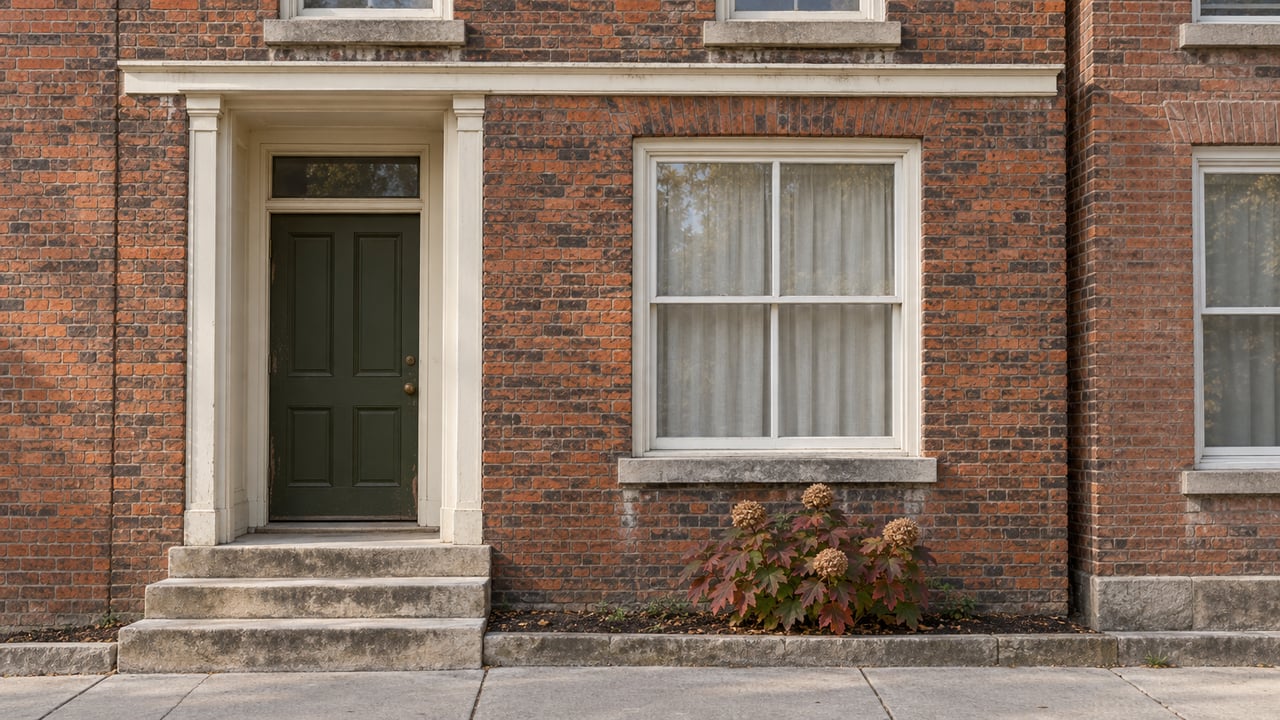
A City of Lancaster comprehensive plan analysis says about 60% of Lancaster City housing is traditional single-family and 40% is multifamily in buildings with more than two units. By comparison, Lancaster County is 55% detached single-family and 21% attached single-family. In practical terms, city buyers often see more rowhomes, brick homes, and compact footprints, while suburban buyers often see more detached homes and more land.
Lot size tends to be part of that tradeoff. The county side usually gives you more yard space, more room between homes, and often more garage or driveway flexibility. If outdoor space is a top priority, that may point you toward a suburban search.
Lancaster City has a large share of older homes. The same housing analysis shows that about 56% of city homes were built before 1940, compared with 21% countywide.
That can be a plus if you love character, original details, and established streetscapes. It can also mean more maintenance, more renovation needs, and more careful planning for updates. If you want a lower-maintenance lifestyle, it is smart to weigh the age of the home just as much as the location.
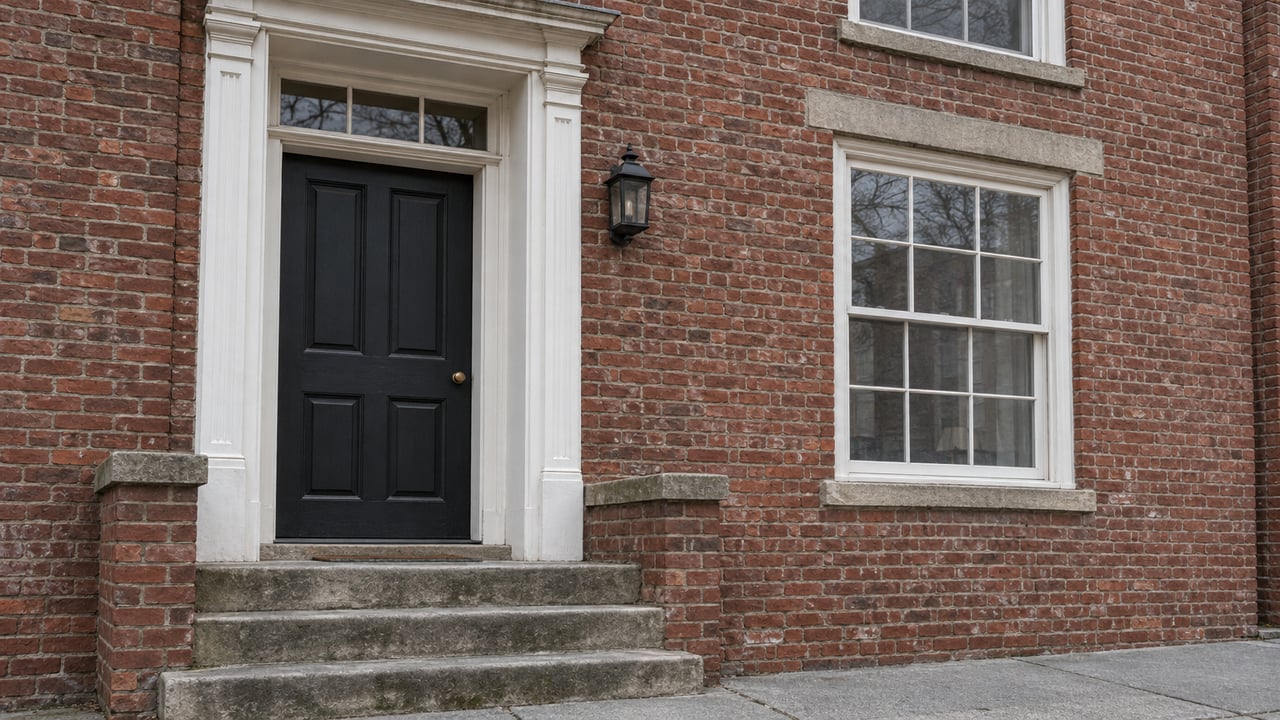
Some Lancaster City properties fall within local historic districts, and that can affect exterior work. If you are considering a city home and know you may want to change windows, doors, siding, or other exterior features, this is an important detail to review early.
The City of Lancaster notes that about 900 properties are protected in the local historic district, and exterior work in the historic district can be reviewed. New construction or demolition in the Heritage Conservation District is also reviewed for neighborhood character.
This does not mean you should avoid city homes. It simply means you should understand the rules before you buy, especially if your plan includes immediate improvements.
Commute time alone may not decide this for you. Census data shows average commute times are very similar, at 23.6 minutes in Lancaster City and 23.8 minutes in Lancaster County.
That is why the better question is not, “Which one has the shorter commute?” It is, “How do I want to move through my day?” For some buyers, being closer to a more urban environment and transportation options matters more than the commute average itself.
Lancaster City offers more transportation choices in the core. The City of Lancaster public transportation page lists train, bus, trolley, and taxi service, and Lancaster Station at 53 McGovern Avenue is served by Amtrak.
If you want to reduce car dependence, the city may be the stronger fit. If you prefer the convenience of a larger driveway, more parking, and a home setup that centers around driving, the suburbs may feel more practical.
Neither option is better in a universal sense. It comes down to how you want your daily life to function once the move is over.
Both Lancaster City and the surrounding county are active, seller-leaning markets. According to the latest Realtor.com market overview, median days on market are about 26 to 27 days, with a 100% sale-to-list ratio.
That means buyers should be prepared in either location. You do not want to assume the city will be easy because prices can be lower in some areas, and you do not want to assume the suburbs are always slower just because there is more land.
A clear plan matters in both places. That includes knowing your financing, understanding your must-haves, and being ready to compare tradeoffs quickly when the right home appears.
Lancaster City can make sense if you are looking for:
For first-time buyers especially, the city may open up more options within budget. That is not a hard rule, but it is a reasonable takeaway from local price and housing stock data.
The suburbs often make sense if you are looking for:
If your priority is space, lot size, or a more detached-home-focused search, the county may offer more of what you want. Again, the best comparison is always by specific municipality, not just by crossing the city boundary.
If you are still torn, ask yourself these practical questions:
These questions usually get you closer to the right answer faster than focusing on a general city-versus-suburb debate.
In Lancaster, this decision is really about tradeoffs. The city often offers lower typical ownership costs, older housing, smaller lots, and stronger transit access. The suburbs often offer more detached homes, larger lots, and a broader land-and-space advantage.
The right move depends on your budget, your routine, your tolerance for upkeep, and the kind of home life you want to build next. If you want calm, strategic guidance as you compare your options in Lancaster City and across Lancaster County, reach out to Jasmine Kraybill for thoughtful support tailored to your goals.
Stay up to date on the latest real estate trends.


Experience unmatched expertise, service, & integrity from this Real Estate Aficionado! Jasmine is your go-to guide for finding your dream home in Lancaster & beyond. Let's make your real estate journey an adventure!